Obesity Surgery Surgeon in Jaipur
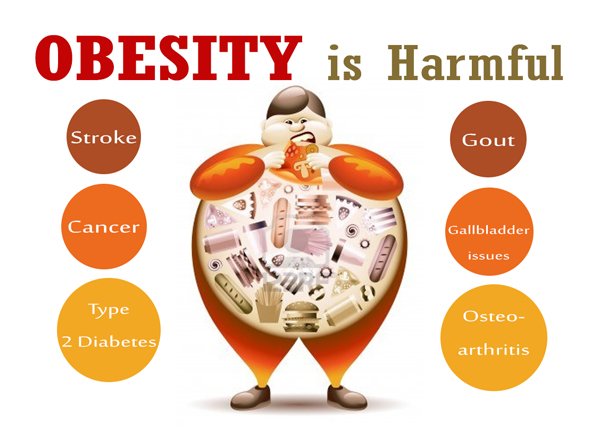
Obesity has become a growing global epidemic, significantly increasing the risk of serious health conditions such as type 2 diabetes, heart disease, and certain types of cancer. Managing obesity effectively is crucial for improving overall health and quality of life, and in severe cases, advanced treatments like Bariatric Surgery may be recommended.
Obesity is commonly defined as having a body mass index (BMI) of 30 or higher. BMI is a simple calculation based on a person’s height and weight. However, it does have certain limitations. Factors such as age, gender, ethnicity, and muscle mass can influence the accuracy of BMI in measuring body fat.
Additionally, BMI does not differentiate between fat, muscle, or bone mass, nor does it indicate how fat is distributed in the body. Despite these limitations, BMI remains a widely used and practical tool for identifying excess weight and assessing obesity-related health risks.
Obesity is defined as having a body mass index (BMI) of 30 or more. BMI is a calculation that takes a person’s weight and height into account. However, BMI does have some limitations.
According to the CDC, "Factors such as age, sex, ethnicity, and muscle mass can influence the relationship between BMI and body fat. Also, BMI doesn’t distinguish between excess fat, muscle, or bone mass, nor does it provide any indication of the distribution of fat among individuals."
Despite these limitations, BMI continues to be widely used as an indicator of excess weight.
What causes obesity?
Eating more calories than you burn in daily activity and exercise (on a long-term basis) causes obesity. Over time, these extra calories add up and cause you to gain weight.
Common specific causes of obesity include:
- eating a poor diet of foods high in fats and calories
- having a sedentary (inactive) lifestyle
- not sleeping enough, which can lead to hormonal changes that make you feel hungrier and crave certain high-calorie foods
- genetics, which can affect how your body processes food into energy and how fat is stored
- growing older, which can lead to less muscle mass and a slower metabolic rate, making it easier to gain weight
- pregnancy (weight gained during pregnancy can be difficult to lose and may eventually lead to obesity)
Certain medical conditions may also lead to weight gain. These include:
- Polycystic ovary syndrome (PCOS): a condition that causes an imbalance of female reproductive hormones
- Prader-Willi syndrome: a rare condition that an individual is born with which causes excessive hunger
- Cushing syndrome: a condition caused by having an excessive amount of the hormone cortisol in your system
- Hypothyroidism (underactive thyroid): a condition in which the thyroid gland doesn’t produce enough of certain important hormones
- Osteoarthritis (and other conditions that cause pain that may lead to inactivity)