419, Hanuman Nagar Extn., Khatipura, Jaipur +91 88247 36742 lokeshyadav1984@gmail.com
Dr. Lokesh Yadav

Hernia Repair Surgery Surgeon in Jaipur

Hernia Repair Surgery

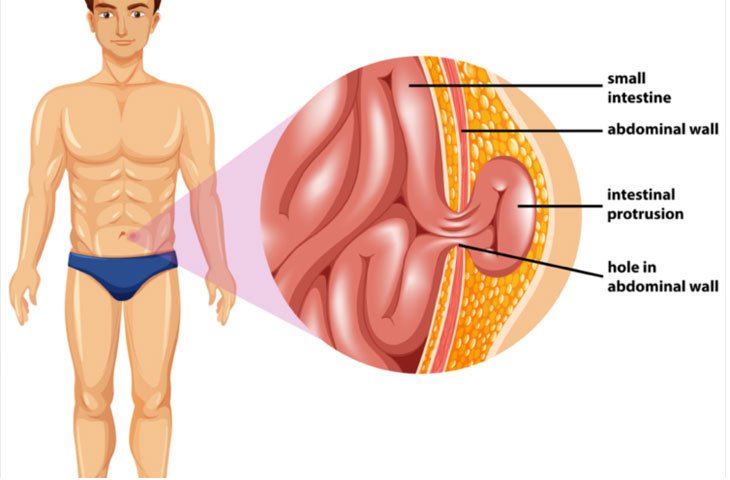
Hernia repair is a surgical procedure used to correct a hernia—a condition in which an internal organ or tissue protrudes through a weak spot in the surrounding muscles or connective tissues. This condition typically occurs in the abdomen and, to prevent complications, requires timely treatment by an experienced Gastro Surgeon

What Is a Hernia?

A hernia occurs when there is a weakness in the muscular wall, causing tissues—such as the intestines—to bulge outward. It may manifest as a visible lump; however, in many cases, individuals experience no symptoms at all, or only very mild ones. You may feel a swelling or lump in your abdominal region or in the groin area. Often, a hernia causes no pain.

Common Types of Hernia

  • Inguinal Hernia (groin area – most common)
  • Umbilical Hernia (around the belly button)
  • Incisional Hernia (at the site of previous surgery)
  • Hiatal Hernia (upper stomach pushing into the chest)

If you notice any unusual swelling or pain, it’s important to consult a qualified surgeon for proper diagnosis.

Symptoms of Hernia

  • A visible bulge or lump in the affected area
  • Pain or discomfort, especially while lifting or coughing
  • A feeling of heaviness or pressure
  • Burning or aching sensation
  • In severe cases, nausea or vomiting

Why Hernia Repair Is Important

Hernias do not heal on their own and can worsen over time. If left untreated, they may lead to serious complications such as:

  • Incarcerated hernia (trapped tissue)
  • Strangulated hernia (cut-off blood supply, medical emergency)

Early intervention by a skilled Gastro Surgeon can prevent these risks and ensure better outcomes.

Types of Hernia Repair Surgery

A Gastro Surgeon may recommend one of the following procedures based on the severity:

1. Open Hernia Repair

A single incision is made to push the bulging tissue back into place, and the muscle wall is repaired using stitches or mesh.

2. Laparoscopic (Keyhole) Hernia Repair

A minimally invasive technique using small incisions and a camera. It offers:

  • Less pain
  • Faster recovery
  • Minimal scarring

If you notice symptoms of a hernia, don’t ignore them—seek medical attention promptly.

Frequently Asked Questions

Hernia repair surgery is a procedure used to treat a hernia by returning the protruding tissue or organ to its appropriate position and repairing the weakened area of the abdominal wall. The surgical approach depends on the type, size, location, and severity of the hernia.

Hernia repair may be recommended when a hernia causes pain, discomfort, swelling, or a noticeable bulge, or when there is a risk of complications. The timing of surgery depends on the type of hernia and the patient's symptoms and overall health.

Hernia repair surgery may be used to treat different types of hernias, including inguinal, ventral, umbilical, incisional, and other abdominal wall hernias. The appropriate treatment depends on the location and characteristics of the hernia.

Common symptoms of a hernia include a visible or noticeable bulge, pain or discomfort at the affected area, heaviness, or discomfort that may increase with coughing, lifting, or physical activity. Some hernias may not cause significant symptoms initially.

In selected patients, hernia repair can be performed using a minimally invasive laparoscopic technique. Small incisions, a camera, and specialized surgical instruments are used to repair the weakened abdominal wall.

Surgical mesh may be used in many types of hernia repairs to reinforce the weakened abdominal wall and reduce the risk of recurrence. Whether mesh is appropriate depends on the type and size of the hernia and the patient's individual condition.

Hernia repair is a commonly performed surgical procedure, but like any surgery, it can involve potential risks. These may include infection, bleeding, pain, recurrence, or other complications. Individual risks depend on the type of hernia, surgical approach, and overall health.

Recovery depends on the type and size of the hernia, the surgical technique used, and the patient's overall health. Your surgeon will provide personalized instructions regarding physical activity, lifting, wound care, diet, and follow-up.

There is a possibility of hernia recurrence after surgical repair. The risk can depend on factors such as the type and size of the hernia, surgical technique, tissue strength, and individual health factors. Following postoperative instructions can support proper recovery.

You should consult a hernia surgeon if you notice a persistent or enlarging abdominal or groin bulge, pain, discomfort, or other symptoms suggestive of a hernia. Sudden severe pain, vomiting, or a bulge that becomes firm or cannot be pushed back requires prompt medical evaluation.
WhatsApp