419, Hanuman Nagar Extn., Khatipura, Jaipur +91 88247 36742 lokeshyadav1984@gmail.com
Dr. Lokesh Yadav

Gall Bladder Stone Treatment Surgeon in Jaipur

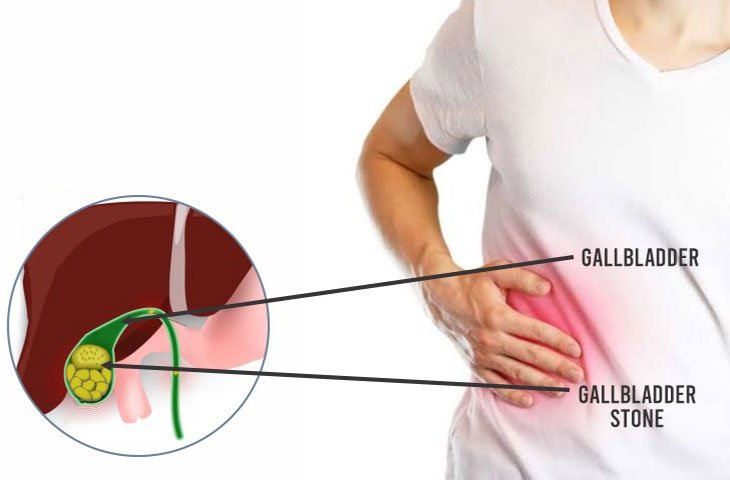
Your gallbladder is a pear-shaped organ that stores bile—a fluid that helps digest food. If it is not functioning properly (or if the balance of your bile becomes disrupted), hard deposits begin to form within it. These deposits can range in size from as small as a grain of rice to as large as a golf ball.
Gallstones do not resolve on their own. If they begin to cause pain or if other symptoms manifest, your doctor may decide to remove your gallbladder. This type of surgery is called a 'cholecystectomy.' It is one of the most common surgeries performed by general surgeons.

Gallstones don’t go away on their own. If they start to hurt or cause other symptoms, your doctor may decide to remove your gallbladder. This type of surgery is called a cholecystectomy. It’s one of the most common surgeries doctors perform.

About 80% of people who have gallstones will need surgery.

Doctors can remove your gallbladder in one of two ways:

Open surgery: During this procedure, your surgeon will make a 5- to 7-inch incision (cut) on your belly to take out your gallbladder. You’ll need open surgery if you have a bleeding disorder. You may also need it if you have severe gallbladder disease, are very overweight, or are in your last trimester of pregnancy.

Laparoscopic cholecystectomy: Doctors also call this “keyhole surgery.” Your surgeon doesn’t make a big opening in your belly. Instead, he makes four small cuts. He inserts a very thin, flexible tube that contains a light and a tiny video camera into your belly. These help your surgeon see your gallbladder better. Next, he’ll insert special tools to remove the diseased organ.

Frequently Asked Questions

Gallbladder stones, also called gallstones, are solid particles that develop inside the gallbladder. They can vary in size and number and may or may not cause symptoms. Treatment depends on whether the stones are causing symptoms or complications.

Common symptoms may include pain in the upper right or upper middle abdomen, particularly after meals, nausea, vomiting, bloating, or indigestion. Severe or persistent symptoms should be evaluated by a doctor.

Treatment may be recommended when gallstones cause repeated pain, inflammation, infection, blockage, or other complications. Gallstones that do not cause symptoms may not always require immediate treatment, depending on the individual situation.

Gallstones are commonly diagnosed using an ultrasound examination. Depending on the patient's symptoms and clinical findings, the doctor may recommend additional blood tests or imaging investigations to assess the gallbladder and bile ducts.

The treatment depends on the type of gallstones, symptoms, and complications. While some patients may be managed without immediate surgery, symptomatic gallstones are often evaluated for surgical treatment. A specialist can recommend the most appropriate approach after assessing the patient.

Laparoscopic gallbladder surgery, also known as laparoscopic cholecystectomy, is a minimally invasive procedure in which the gallbladder is removed through small incisions using specialized surgical instruments and a camera.

Laparoscopic gallbladder surgery is commonly performed for symptomatic gallstones, but like any surgical procedure, it carries potential risks. The individual risks depend on the patient's condition, previous medical history, and complexity of the surgery.

Recovery varies from person to person and depends on the surgical approach and overall health. Many patients can gradually return to their normal activities after following their surgeon's post-operative instructions.

Yes. Gallstones can sometimes cause complications such as inflammation of the gallbladder, blockage of the bile ducts, bile duct infection, or pancreatitis. Prompt medical evaluation is important when symptoms are severe or persistent.

You should consult a specialist if you experience repeated abdominal pain, particularly after meals, nausea or vomiting, or have been diagnosed with gallstones. Severe abdominal pain, fever, jaundice, or persistent vomiting requires prompt medical evaluation.
WhatsApp