419, Hanuman Nagar Extn., Khatipura, Jaipur +91 88247 36742 lokeshyadav1984@gmail.com
Dr. Lokesh Yadav

Advanced GI Surgery in Jaipur

Advanced GI Minimally Invasive Bariatric Surgery Fellowship

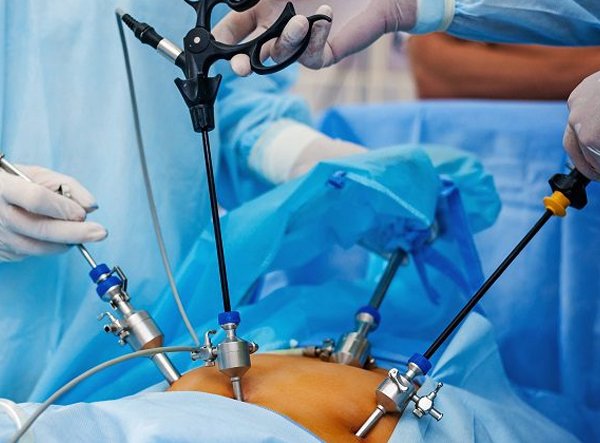
The Advanced GI Minimally Invasive/Bariatric Surgery Fellowship, supported by the Foundation for Surgical Fellowships, offers a comprehensive and immersive training experience in advanced laparoscopic procedures. Under the guidance of an experienced Gastrointestinal Surgery Surgeon, fellows gain in-depth knowledge and hands-on expertise required to perform a wide range of complex minimally invasive surgeries.

Key Procedures Covered

By the end of the program, fellows are proficient in major laparoscopic procedures, including:

  • Adjustable gastric banding
  • Adrenalectomy
  • Colon resection
  • Feeding jejunostomy
  • Gastric bypass procedures
  • Gastrojejunostomy
  • Heller myotomy
  • Inguinal hernia repair
  • Nissen fundoplication
  • Sleeve gastrectomy
  • Ventral hernia repair

Robotic and Urology Exposure

In addition, fellows have valuable opportunities to participate in laparoscopic urology cases, including advanced minimally invasive procedures performed using the Da Vinci robotic system.

Research and Academic Development

All fellows are actively involved in clinical research projects and are encouraged to present their findings at national conferences.

Through structured monthly training programs, they also serve as instructors, helping academic and community surgeons enhance their laparoscopic and robotic surgical skills.

Teaching and Mentorship

Furthermore, fellows play a key role in mentoring and educating surgical residents and medical students, contributing to the advancement of surgical education and patient care.

Frequently Asked Questions

Advanced GI surgeries are specialized surgical procedures used to diagnose and treat complex conditions affecting the gastrointestinal (GI) tract and related organs. Depending on the condition, these procedures may involve minimally invasive or other advanced surgical techniques.

Advanced GI surgery may be recommended when a gastrointestinal condition requires surgical treatment or when conventional treatment does not provide adequate results. The need for surgery depends on the diagnosis, severity of the condition, overall health, and individual medical needs.

Advanced GI surgery may be used for selected conditions affecting the stomach, intestine, esophagus, liver, gallbladder, bile ducts, pancreas, spleen, and other parts of the digestive system. The appropriate procedure depends on the specific condition and its severity.

Minimally invasive GI surgery uses small incisions and specialized instruments, often with a camera, to perform surgical procedures inside the abdomen or digestive system. Laparoscopic and other minimally invasive techniques may be suitable for selected patients.

The appropriate surgical approach depends on factors such as the patient's diagnosis, symptoms, medical history, imaging results, overall health, and complexity of the condition. A GI surgeon evaluates these factors before recommending a suitable treatment plan.

Preoperative investigations may include blood tests, ultrasound, CT scan, MRI, endoscopy, or other diagnostic tests depending on the condition. The required tests help the surgical team understand the disease and plan the procedure appropriately.

Advanced GI surgery can be performed safely in appropriately selected patients, but like any major surgical procedure, it may involve potential risks. The risks depend on the type and complexity of surgery, the underlying condition, and the patient's overall health.

For suitable patients, minimally invasive GI surgery may offer benefits such as smaller incisions, less postoperative discomfort, reduced scarring, and a potentially faster recovery compared with some open surgical procedures. The benefits vary depending on the procedure and individual condition.

Recovery varies according to the type of surgery, complexity of the condition, surgical approach, and patient's overall health. Your surgeon will provide personalized instructions regarding diet, physical activity, medications, wound care, and follow-up.

You should consider consulting an advanced GI surgeon if you have been diagnosed with a gastrointestinal condition that may require surgery or if your doctor has recommended a specialized GI procedure. A specialist can review your medical reports and determine the most appropriate treatment approach.
WhatsApp