419, Hanuman Nagar Extn., Khatipura, Jaipur +91 88247 36742 lokeshyadav1984@gmail.com
Dr. Lokesh Yadav

Appendix Surgery Surgeon in Jaipur

What Is an Appendectomy?

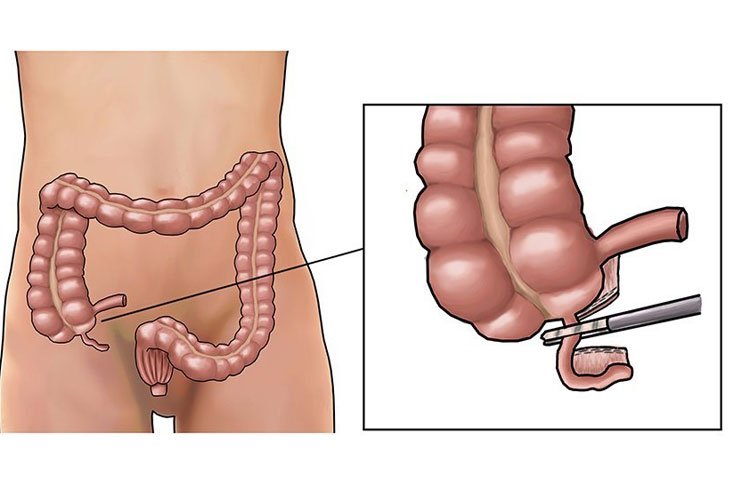
An appendectomy is a surgical procedure used to remove the appendix. It is one of the most common emergency surgeries, typically performed to treat appendicitis, a condition where the appendix becomes inflamed and infected. A skilled Gastro Surgeon usually performs this procedure to ensure safe and effective treatment.

Understanding the Appendix

The appendix is a small, tube-shaped organ attached to the large intestine, located in the lower right side of the abdomen. Although its exact function is not entirely clear, experts believe it may play a role in supporting gut health and immunity, especially during infections. However, the body can function normally even without the appendix.

What Causes Appendicitis?

Appendicitis occurs when the appendix becomes blocked, inflamed, and swollen. This blockage allows bacteria to multiply rapidly, leading to infection and the formation of pus. As the condition worsens, it can cause severe abdominal pain and other symptoms.

Common symptoms include:

  • Pain near the belly button that shifts to the lower right abdomen
  • Increased pain while walking or coughing
  • Nausea and vomiting
  • Loss of appetite
  • Diarrhea or constipation

If you notice these symptoms, it is important to consult a qualified Gastro Surgeon immediately for timely diagnosis and treatment.

Why Immediate Treatment Is Important

If left untreated, an inflamed appendix can burst (rupture), releasing harmful bacteria into the abdominal cavity. This can lead to a serious and potentially life-threatening condition called peritonitis, requiring more complex treatment and a longer recovery period.

Appendectomy: The Standard Treatment

An appendectomy is the most effective treatment for appendicitis. A Gastro Surgeon may perform this surgery using either:

  • Laparoscopic surgery (minimally invasive, faster recovery)
  • Open surgery (used in complicated cases)

Removing the appendix before it ruptures significantly reduces risks and ensures a smoother recovery.

Recovery After Appendectomy

Most patients recover quickly after an appendectomy. With proper care and guidance from an experienced surgeon, patients can usually return to normal activities within a few weeks without complications.

Frequently Asked Questions

Appendix surgery, also known as an appendectomy, is a surgical procedure to remove the appendix. It is commonly performed when the appendix becomes inflamed or infected, a condition known as appendicitis.

Appendix surgery is generally recommended when appendicitis is diagnosed, particularly when there is a risk of the appendix rupturing or causing other complications. The appropriate treatment depends on the patient's symptoms, examination findings, and diagnostic test results.

Common symptoms of appendicitis may include pain that starts around the navel and may move to the lower right side of the abdomen, loss of appetite, nausea, vomiting, fever, and abdominal tenderness. Symptoms can vary between individuals and should be medically evaluated.

Appendicitis is diagnosed using a combination of medical history, physical examination, and appropriate investigations. Blood tests and imaging tests such as ultrasound or CT scan may be recommended depending on the patient's age, symptoms, and clinical condition.

Laparoscopic appendix surgery is a minimally invasive procedure in which the appendix is removed through small abdominal incisions using a camera and specialized surgical instruments. The suitable surgical approach depends on the patient's condition and the surgeon's assessment.

Laparoscopic appendectomy is a commonly performed surgical procedure, but like any surgery, it carries potential risks. The individual risks depend on factors such as whether the appendix has ruptured, the presence of infection, and the patient's overall health.

Recovery varies depending on the type of surgery, the severity of appendicitis, and the patient's overall health. Patients are generally advised to follow their surgeon's instructions regarding activity, diet, wound care, and follow-up appointments.

Treatment depends on the individual case. Some selected patients may be managed with antibiotics under medical supervision, but surgery may be recommended when appendicitis is complicated or when the risk of recurrence or other complications needs to be considered.

Untreated appendicitis can become more serious and may lead to complications such as appendix rupture, infection, or an abscess around the appendix. Severe or worsening abdominal pain, fever, vomiting, or other concerning symptoms require prompt medical assessment.

You should seek prompt medical evaluation if you develop severe or worsening abdominal pain, particularly pain in the lower right abdomen, along with fever, nausea, vomiting, or loss of appetite. If appendicitis is suspected, timely diagnosis and treatment can help reduce the risk of complications.
WhatsApp