419, Hanuman Nagar Extn., Khatipura, Jaipur +91 88247 36742 lokeshyadav1984@gmail.com
Dr. Lokesh Yadav

Bile Duct Surgery Surgeon in jaipur

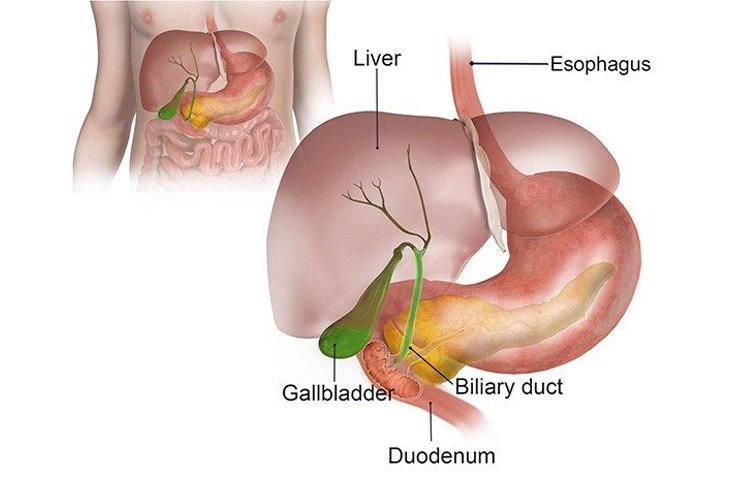
The bile ducts are a series of thin tubes that go from the liver to the small intestine. Their major job is to move bile from the liver and gallbladder into the small intestine, where it helps digest the fats in food. Bile ducts within the liver are called intrahepatic bile ducts. The left and right hepatic ducts exit the liver and join to form the common hepatic duct. Lower down, the gallbladder (a small organ that stores bile) is joined to the common hepatic duct by a small duct called the cystic duct. This combined duct is called the common bile duct. The common bile duct passes through part of the pancreas before it joins with the pancreatic duct and empties into the first part of the small intestine (the duodenum). Any pathology leading to narrowing or obstruction in bile duct can lead to obstruction in bile flow and lead

Any pathology leading to narrowing or obstruction in bile duct can lead to obstruction in bile flow and lead to jaundice.

Biliary Stricture

A biliary stricture is common medical term for an abnormal narrowing of the common bile duct. It can happen because of multiple reasons including benign (long standing stone disease, previous gallbladder or bile duct surgery or chronic pancreatitis) or malignant (bile duct cancer) ones.

Bile Duct Cancer

Bile duct cancer starts in a bile duct. patient usually presents with jaundice.

Multidetector Ct scan and MRI both usually required for stage the disease and know about surgical curable or not.

Surgery is only curative option when feasible.

Bile Duct Injuries

Bile duct injuries are damage to the bile ducts that happen during gallbladder surgery. A bile duct can get cut, burned, or pinched.

What is Choledocholithiasis

Choledocholithiasis (also called bile duct stones or gallstones in the bile duct) is the presence of a stone in the common bile duct. stones usually form in your gallbladder. These stones usually remain in the gallbladder but can pass through the common bile duct and can cause obstruction in bile flow. Stone can occur in bile duct itself if stagnation on bile flow occurs (primary bile duct stones).

Treatment requires either endoscopic or surgical removal of stones.

What is choledochocele

Choledochocele is an abnormal dilation of bile ducts which exposes them to stone formation and increases chances of bile duct cancer.

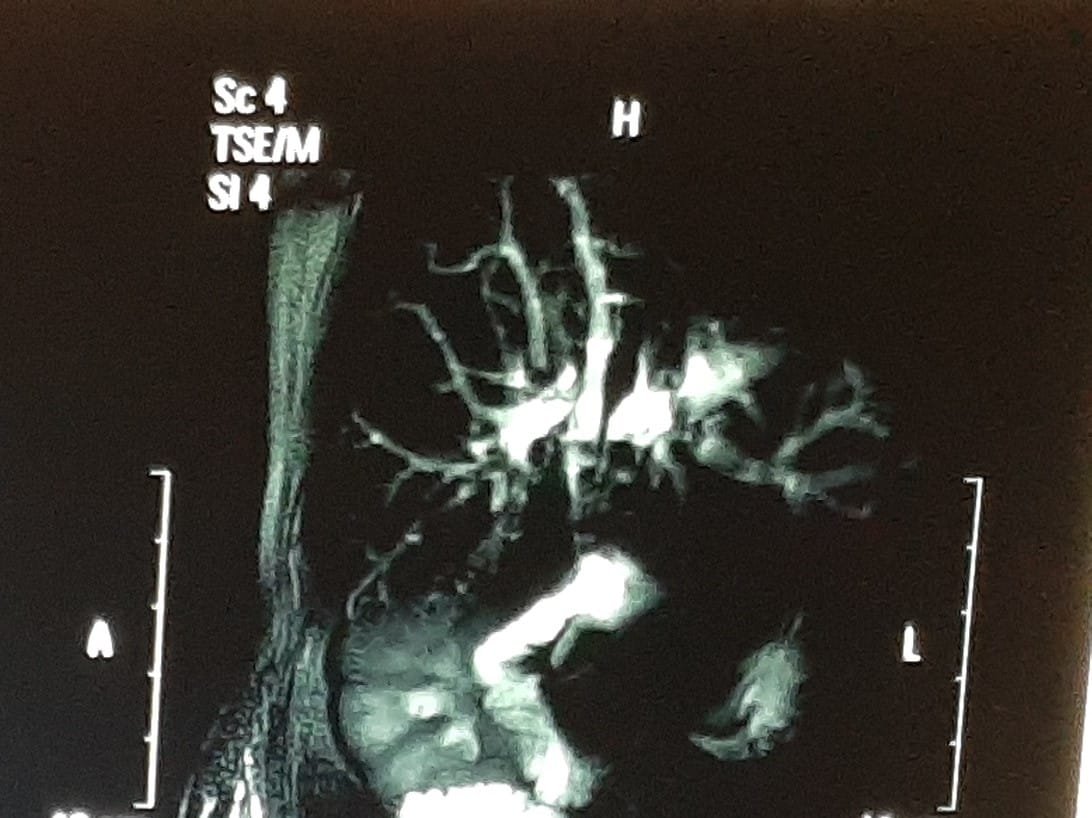
Section bile duct surgery, picture: mri showing stone reappeared after 15 years of bile duct surgery for stones

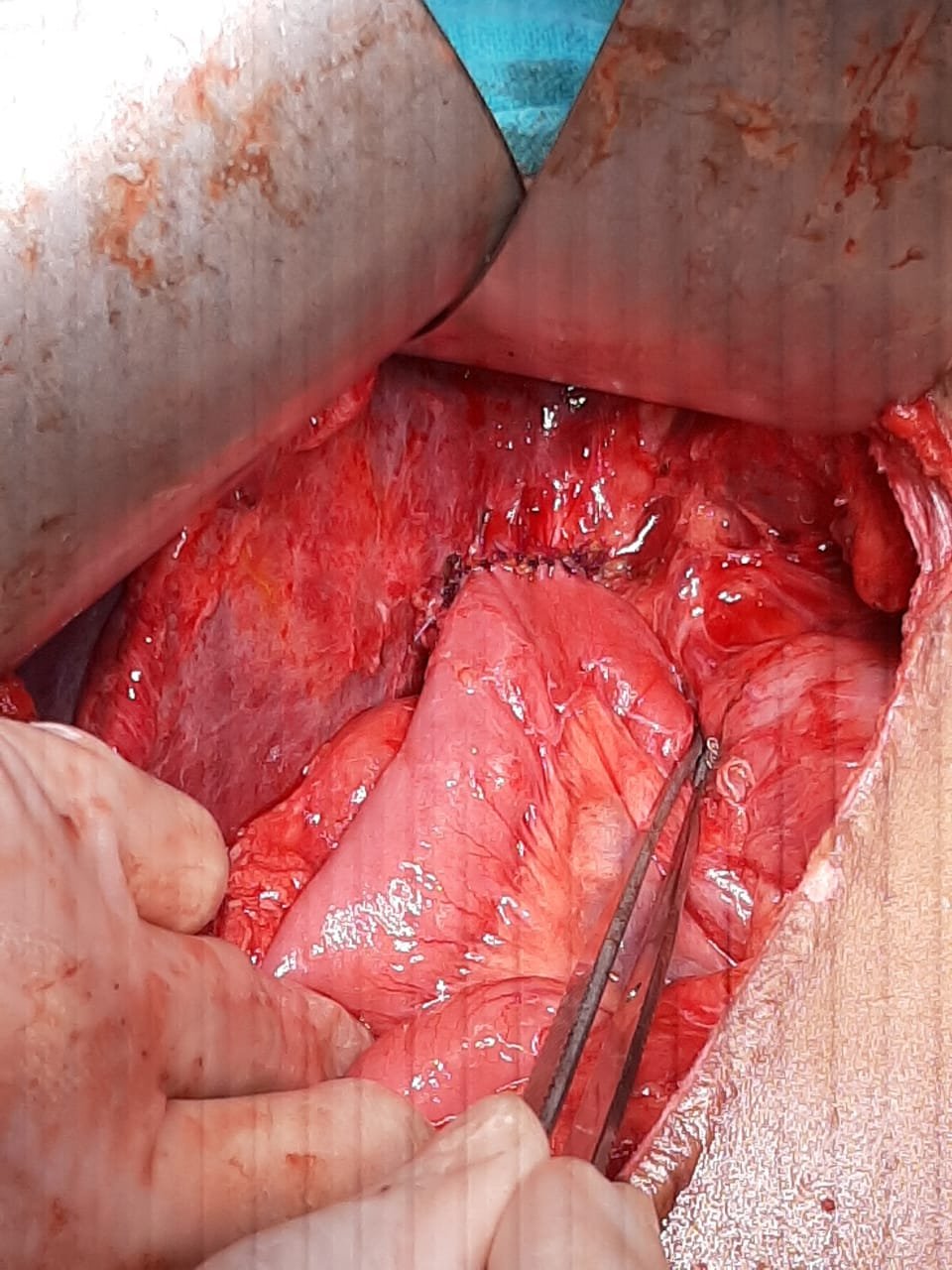
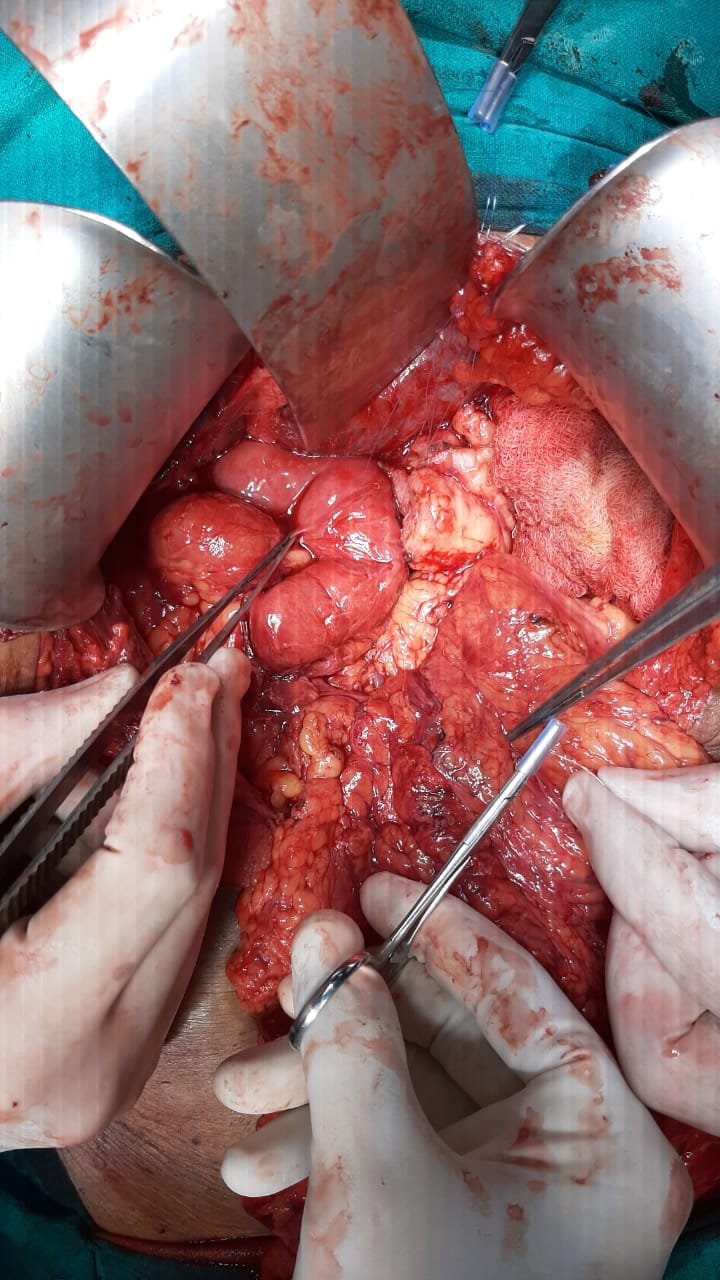
Above patient...a redo surgery performed for recurrent bile duct stones.. A completed hepaticojejunostomy anastomosis after clearings stones.

Frequently Asked Questions

Bile duct surgery refers to surgical procedures used to treat conditions affecting the bile ducts, which carry bile from the liver and gallbladder to the intestine. Surgery may be required for certain blockages, injuries, strictures, tumors, or other bile duct conditions.

Bile duct surgery may be recommended when a bile duct is blocked, narrowed, injured, or affected by a condition that cannot be adequately treated with non-surgical methods. The appropriate treatment depends on the underlying cause and the patient's overall health.

Bile duct surgery may be considered for conditions such as bile duct stones, bile duct strictures, bile duct injuries, certain tumors, and other causes of bile duct obstruction. A detailed evaluation is required to determine the most appropriate treatment.

Symptoms of a bile duct problem may include jaundice, abdominal pain, dark urine, pale stools, nausea, vomiting, itching, or fever. The symptoms can vary depending on the underlying condition and should be medically evaluated.

A blocked bile duct may be evaluated using blood tests and imaging investigations such as ultrasound, CT scan, or MRI/MRCP. Depending on the condition, additional diagnostic or endoscopic procedures may also be recommended.

Yes, selected cases of bile duct stones may require a procedure or surgery, particularly when the stones cause obstruction or other complications. The appropriate treatment depends on the number and location of stones and the patient's clinical condition.

Bile duct surgery is a specialized procedure and, like other surgeries, can involve certain risks. The risks depend on the underlying condition, the type and complexity of the procedure, and the patient's overall health. Proper evaluation and surgical planning are important for safe treatment.

Recovery varies depending on the type of bile duct procedure performed, the patient's overall health, and the complexity of the condition. Your surgeon will provide individualized instructions regarding hospital stay, diet, activity, medication, and follow-up care.

In selected patients, surgery may be used to treat bile duct strictures or narrowing. The treatment approach depends on the cause, location, and severity of the stricture and may require detailed imaging and specialist evaluation.

You should consult a specialist if you have been diagnosed with a bile duct blockage, stone, stricture, injury, or other bile duct condition that may require surgical treatment. Symptoms such as jaundice, persistent abdominal pain, fever, or changes in urine or stool color should also be medically evaluated.
WhatsApp