419, Hanuman Nagar Extn., Khatipura, Jaipur +91 88247 36742 lokeshyadav1984@gmail.com
Dr. Lokesh Yadav

Liver Transplant Surgery in Jaipur

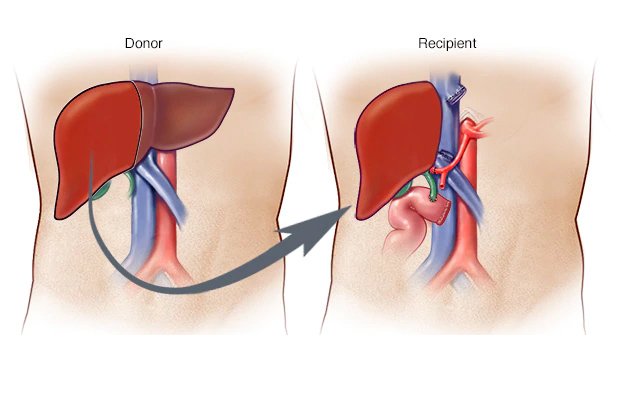
A liver transplant is a surgical procedure that removes a liver that no longer functions properly (liver failure) and replaces it with a healthy liver from a deceased donor or a portion of a healthy liver from a living donor.

Your liver is your largest internal organ and performs several critical functions, including:

  • Processing nutrients, medications and hormones
  • Producing bile, which helps the body absorb fats, cholesterol and fat-soluble vitamins
  • Making proteins that help the blood clot
  • Removing bacteria and toxins from the blood
  • Preventing infection and regulating immune responses

Liver transplant is usually reserved as a treatment option for people who have significant complications due to end-stage chronic liver disease. Liver transplant may also be a treatment option in rare cases of sudden failure of a previously healthy liver.

The number of people waiting for a liver transplant greatly exceeds the number of available deceased-donor livers.

Living-donor liver transplant is an alternative to waiting for a deceased-donor liver to become available. Living-donor liver transplant is possible because the human liver regenerates and returns to its normal size shortly after surgical removal of part of the organ.

Frequently Asked Questions

A liver transplant is a surgical procedure in which a diseased or severely damaged liver is replaced with a healthy liver from a deceased donor or a suitable portion of a liver from a living donor. It may be considered when the liver is no longer able to perform its essential functions adequately.

A liver transplant may be considered for patients with advanced or end-stage liver disease, severe liver failure, or certain other serious liver conditions. The need for transplantation depends on the severity of the disease, liver function, overall health, and medical assessment by a transplant specialist.

Eligibility for liver transplantation depends on several factors, including the underlying liver condition, severity of liver disease, overall health, and the patient's ability to undergo major surgery and long-term follow-up. A detailed medical evaluation is required before a transplant is considered.

In a deceased-donor liver transplant, the patient receives a liver from a suitable deceased donor. In a living-donor liver transplant, a suitable living donor provides a portion of their liver. The remaining liver tissue in the donor and the transplanted portion in the recipient can grow and adapt after surgery.

Yes, liver transplantation can be a treatment option for selected patients with severe or end-stage liver failure. Whether transplantation is appropriate depends on the cause and severity of liver failure and the patient's overall medical condition.

The transplant evaluation may include blood tests, liver function tests, imaging studies, cardiac assessment, and other investigations. Additional tests may be recommended to assess the patient's overall health and determine whether transplantation is an appropriate treatment option.

Recovery after liver transplantation varies from person to person. The recovery period depends on the patient's health, the complexity of the transplant, and how the body responds after surgery. Regular medical follow-up and prescribed treatment are important during recovery.

Like any major surgery, liver transplantation carries potential risks. These may include bleeding, infection, complications related to surgery, and problems associated with the transplanted liver. The individual risks vary, so patients should discuss their specific situation with their transplant team.

Liver transplantation requires a detailed evaluation of the patient's liver disease, overall health, medical history, and suitability for transplantation. The transplant team reviews the available medical reports and investigations before recommending the appropriate treatment approach.

If you have advanced liver disease, liver failure, or have been advised to consider a liver transplant, you can consult Dr. Lokesh Yadav in Jaipur for a detailed evaluation. The consultation can help assess your condition and explain the appropriate treatment and transplantation options based on your medical needs.
WhatsApp