419, Hanuman Nagar Extn., Khatipura, Jaipur +91 88247 36742 lokeshyadav1984@gmail.com
Dr. Lokesh Yadav

Laparoscopic CBD Exploration Surgery in Jaipur

Common bile duct (CBD) stones are identified in 10 to 15 percent of patients undergoing surgery for symptomatic cholelithiasis. CBD stones require extraction for management of symptoms and to prevent complications such as acute suppurative cholangitis, obstructive jaundice, hepatic abscess, and acute pancreatitis.
In the past, CBD stones were diagnosed with intraoperative cholangiography and treated with open CBD exploration. Advances in preoperative imaging technology such as magnetic resonance cholangiopancreatography (MRCP) and endoscopic ultrasound, as well as the development of endoscopic retrograde cholangiopancreatography (ERCP) and minimally invasive surgical techniques, have allowed for less invasive and more accurate methods of identifying and treating CBD stones.
This topic will review laparoscopic and open CBD exploration. The diagnosis and the endoscopic treatment of choledocholithiasis (ie, ERCP) are discussed elsewhere. (See "Choledocholithiasis: Clinical manifestations, diagnosis, and management" and "Endoscopic management of bile duct stones: Standard techniques and mechanical lithotripsy").

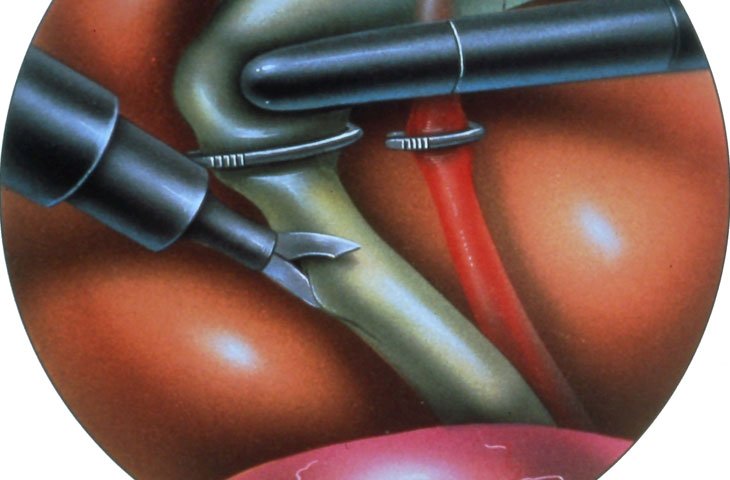
In the past, CBD stones were diagnosed with intraoperative cholangiography and treated with open CBD exploration. Advances in preoperative imaging technology such as magnetic resonance cholangiopancreatography (MRCP) and endoscopic ultrasound, as well as the development of endoscopic retrograde cholangiopancreatography (ERCP) and minimally invasive surgical techniques, have allowed for less invasive and more accurate methods of identifying and treating CBD stones.

This topic will review laparoscopic and open CBD exploration. The diagnosis and the endoscopic treatment of choledocholithiasis (ie, ERCP) are discussed elsewhere. (See "Choledocholithiasis: Clinical manifestations, diagnosis, and management" and "Endoscopic management of bile duct stones: Standard techniques and mechanical lithotripsy").

Frequently Asked Questions

Laparoscopic CBD exploration is a minimally invasive surgical procedure used to examine and treat problems in the common bile duct (CBD), particularly when bile duct stones or blockages need to be addressed. The procedure is performed through small abdominal incisions using a camera and specialized surgical instruments.

Laparoscopic CBD exploration may be considered when stones are present in the common bile duct and cannot be adequately managed through other treatment approaches. The appropriate treatment depends on the location and number of stones, the patient's symptoms, and overall clinical condition.

The common bile duct is a small tube that carries bile from the liver and gallbladder into the small intestine. A blockage in the CBD can interfere with the normal flow of bile and may cause symptoms such as jaundice, abdominal pain, or other complications.

Yes, laparoscopic CBD exploration can be used to locate and remove stones from the common bile duct in selected patients. The surgical approach depends on the size, number, and location of the stones and the patient's individual condition.

Yes. Gallbladder surgery, or laparoscopic cholecystectomy, involves removing the gallbladder, while CBD exploration specifically addresses stones or other problems within the common bile duct. In some cases, both procedures may be performed during the same surgical treatment.

The doctor may recommend blood tests and imaging investigations such as ultrasound, CT, MRI/MRCP, or other tests to identify bile duct stones and assess the biliary system. The required investigations depend on the patient's symptoms and clinical findings.

Laparoscopic CBD exploration is a specialized minimally invasive procedure, but like any surgery, it can involve potential risks. The risks depend on the patient's condition, the complexity of the procedure, and other individual health factors. Proper evaluation and surgical planning are important.

Recovery varies depending on the complexity of the procedure, whether gallbladder surgery is performed at the same time, and the patient's overall health. Your surgeon will provide personalized instructions regarding diet, activity, medication, and follow-up care.

A common bile duct blockage may cause symptoms such as jaundice, upper abdominal pain, dark urine, pale stools, nausea, vomiting, itching, or fever. These symptoms can have different causes and should be medically evaluated.

You should consult a specialist if you have been diagnosed with common bile duct stones or have symptoms suggestive of bile duct obstruction. A specialist can review your test reports and determine whether laparoscopic CBD exploration or another treatment approach is appropriate.
WhatsApp