419, Hanuman Nagar Extn., Khatipura, Jaipur +91 88247 36742 lokeshyadav1984@gmail.com
Dr. Lokesh Yadav

VATS Thoracoscopy Treatment in Jaipur

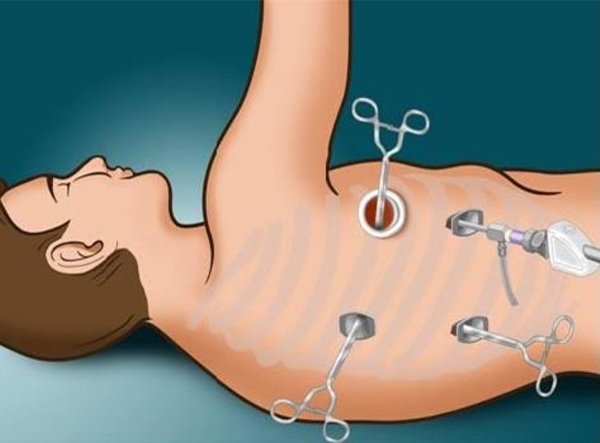
Video-assisted thoracoscopic surgery (VATS) is a minimally invasive surgical technique used to diagnose and treat problems in your chest.

During a video-assisted thoracoscopic surgery procedure, a tiny camera (thoracoscope) and surgical instruments are inserted into your chest through small incisions in your chest wall. The thoracoscope transmits images of the inside of your chest onto a video monitor, guiding the surgeon in performing the procedure.

Why it's done

Surgeons use the video-assisted thoracoscopic surgery technique to perform a variety of operations, such as:

  • Biopsy to diagnose lung cancer, mesothelioma and other chest cancers
  • Esophagus surgery (esophagectomy)
  • Hiatal hernia repair
  • Lung surgery, such as surgery to treat lung cancer and lung volume reduction surgery
  • Procedures to remove excess fluid or air from the area around the lungs
  • Surgery to relieve excessive sweating (hyperhidrosis)
  • Surgery to relieve gastroesophageal reflux disease
  • Thymus gland removal surgery (thymectomy)

When compared with a traditional open operation (thoracotomy), video-assisted thoracoscopic surgery may result in less pain and shorten recovery time.

Frequently Asked Questions

VATS, or Video-Assisted Thoracoscopic Surgery, is a minimally invasive surgical technique used to diagnose and treat certain conditions affecting the chest, lungs, and surrounding tissues. It is performed through small incisions using a thoracoscope and specialized surgical instruments.

VATS may be recommended when a doctor needs to diagnose or treat certain conditions affecting the lungs, pleura, or other structures in the chest. The procedure may be considered for conditions such as lung lesions, pleural disease, infections, fluid around the lungs, and selected chest tumors.

VATS may be used for selected lung and chest conditions, including lung tumors, pleural effusion, pleural disease, lung infections, and other thoracic conditions. The appropriate procedure depends on the diagnosis, location, and extent of the condition.

VATS is performed through small incisions using a camera and specialized instruments, whereas open chest surgery, or thoracotomy, generally requires a larger incision. In suitable patients, VATS may offer less postoperative pain, smaller scars, and a faster recovery compared with open surgery.

Yes. VATS is a minimally invasive approach that uses small incisions between the ribs to access the chest cavity. A thoracoscope provides images of the surgical area on a monitor, allowing the surgeon to perform the required procedure.

Preoperative evaluation may include blood tests, chest X-ray, CT scan, pulmonary function tests, ECG, or other investigations depending on the patient's condition and the planned procedure. The surgeon will determine which tests are necessary before surgery.

VATS is a well-established minimally invasive surgical technique, but like any major procedure, it can involve potential risks. These may include bleeding, infection, air leakage, breathing-related complications, or other complications depending on the specific procedure and the patient's health.

Recovery varies depending on the type and complexity of the VATS procedure, the patient's overall health, and the condition being treated. Some patients may return to normal activities within a few weeks, while more extensive procedures may require a longer recovery period.

A temporary chest tube is commonly used after many VATS procedures to help drain air or fluid from the chest while the lung recovers. The timing of its removal depends on the type of surgery and the patient's recovery.

You should consider consulting a thoracic surgeon if you have been diagnosed with a lung or pleural condition that may require surgical evaluation, or if your doctor has recommended thoracoscopy or VATS. A specialist can review your reports and determine whether VATS is appropriate for your condition.
WhatsApp