419, Hanuman Nagar Extn., Khatipura, Jaipur +91 88247 36742 lokeshyadav1984@gmail.com
Dr. Lokesh Yadav

Diagnostic Laparoscopy Surgery Surgeon in Jaipur

What Is Diagnostic Laparoscopy?

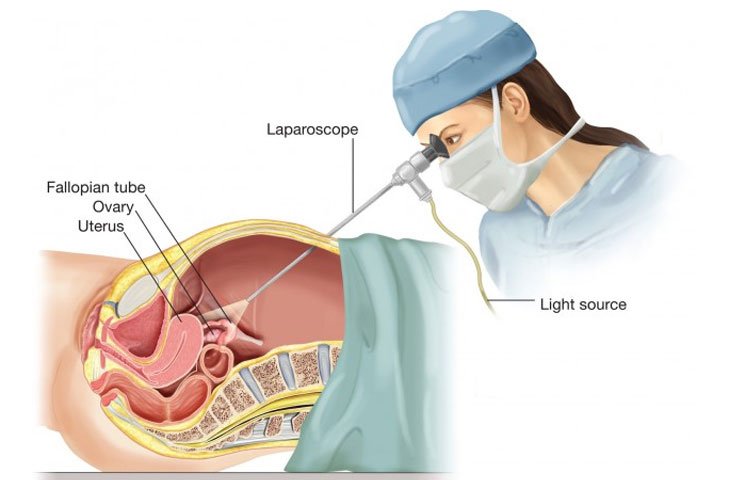
A laparoscope is a telescope designed for medical use. It is connected to a high intensity light and a high-resolution monitor. In order for the surgeon to see inside your abdomen, a hollow tube (port) is placed through your abdominal wall, and the laparoscope is inserted into the port. The image of the inside of your abdomen is then seen on the monitor. In most cases, this procedure (operation) will be able to diagnose or help discover what the abdominal problem is.

Why Is Diagnostic Laparoscopy Performed?

Abdominal pain.

Laparoscopy has a role in the diagnosis of both acute and chronic abdominal pain. There are many causes of abdominal pain. Some of these causes include appendicitis, adhesions or intra-abdominal scar tissue, pelvic infections, endometriosis, abdominal bleeding and, less frequently, cancer. It is used in patients with irritable bowel disease to exclude other causes of abdominal pain. Surgeons can often diagnose the cause of the abdominal pain and, during the same procedure, correct the problem.

Abdominal mass.

A patient may have a lump (mass or tumor), which can be felt by the doctor, the patient, or seen on an X-ray. Most masses require a definitive diagnosis before appropriate therapy or treatment can be recommended. Laparoscopy is one of the techniques available to your physician to look directly at the mass and obtain tissue to discover the diagnosis.

Ascites.

The presence of fluid in the abdominal cavity is called ascites. Sometimes the cause of this fluid accumulation cannot be found without looking into the abdominal cavity, which can often be accomplished with laparoscopy.

Liver disease.

Non-invasive imaging techniques such as ultrasound, CT scan (computed tomography) and MRI (magnetic resonance imaging) may discover a mass inside or on the surface of the liver. If non-invasive imaging cannot give your physician enough information, a liver biopsy may be needed to establish the diagnosis. Diagnostic laparoscopy is one of the safest and most accurate ways to obtain tissue for diagnosis. In other words, it is an accurate way to collect a biopsy to sample the liver or mass without actually opening the abdomen.

"Second look" procedure or cancer staging.

Your doctor may need information regarding the status of a previously treated disease, such as cancer. This may occur after treatment with some forms of chemotherapy or before more chemotherapy is started. Also, information may be provided by diagnostic laparoscopy before planning a formal exploration of the abdomen, chemotherapy or radiation therapy.

Other.

There are other reasons to undergo a diagnostic laparoscopy, which cannot all be listed here. This should be reviewed and discussed with your surgeon.

Frequently Asked Questions

Diagnostic laparoscopy is a minimally invasive procedure used to examine the organs inside the abdomen and pelvis. A laparoscope, which is a thin camera-equipped instrument, is inserted through a small incision to help the surgeon identify certain conditions that may not be clearly diagnosed through other investigations.

Diagnostic laparoscopy may be recommended when the cause of certain abdominal or pelvic symptoms remains unclear after other examinations or imaging tests. It may also be used when direct visualization of the abdominal organs can help with diagnosis and treatment planning.

Diagnostic laparoscopy may help evaluate certain conditions affecting the abdominal and pelvic organs, including unexplained abdominal pain, some abdominal infections, cysts, adhesions, endometriosis, tumors, and other conditions. The conditions that can be assessed depend on the patient's symptoms and clinical findings.

Diagnostic laparoscopy is usually performed under anesthesia. The surgeon makes a small incision and inserts a laparoscope to view the abdominal organs. Additional small incisions may be made if further examination or a surgical procedure is required.

Diagnostic laparoscopy is primarily performed to examine and identify the cause of a condition, while laparoscopic surgery is performed to treat a diagnosed condition through minimally invasive techniques. In some cases, treatment may be performed during the same procedure if an appropriate condition is identified.

Diagnostic laparoscopy is generally considered a minimally invasive surgical procedure, but like any procedure, it can have potential risks. These may vary depending on the patient's condition, medical history, and the complexity of the procedure. Your surgeon will explain the potential benefits and risks before treatment.

The doctor may review your medical history and previous investigations before recommending diagnostic laparoscopy. Depending on the condition, blood tests, ultrasound, CT scan, MRI, or other diagnostic tests may be performed before the procedure.

Recovery varies from patient to patient and depends on whether diagnostic laparoscopy is performed alone or combined with a surgical procedure. Your surgeon will provide specific instructions regarding activity, diet, wound care, and follow-up after the procedure.

In selected cases, a condition identified during diagnostic laparoscopy may be treated during the same procedure if it is medically appropriate and the required surgical intervention can be performed safely. The treatment approach depends on the findings during the procedure.

You may consider consulting a laparoscopic surgeon if you have persistent or unexplained abdominal symptoms and your doctor recommends further evaluation. A specialist can review your symptoms and diagnostic reports and determine whether diagnostic laparoscopy is appropriate for your condition.
WhatsApp