419, Hanuman Nagar Extn., Khatipura, Jaipur +91 88247 36742 lokeshyadav1984@gmail.com
Dr. Lokesh Yadav

Laparoscopic Bariatric Surgery Surgeon in Jaipur

What is Laparoscopic Bariatric Surgery?

Laparoscopic Bariatric Surgery is helpful in reducing body weight effectively by means of Laparoscopic Surgery.

What is Laparoscopic Surgery?

It is also known as Minimal Access or Key Hole Surgery, in which small holes (0.55 to 1cm) are made on the tummy. From one hole camera is introduced & connected to TV Monitory to see the inner details. From other holes, instruments are introduced to do the surgery.

How does Laparoscopic Bariatric Surgery help in weight reduction?

Two most commonly done procedures are:

1. Sleeve Gastrectomy: A Small pouch of stomach is made (30-40) which helps in reducing diet.
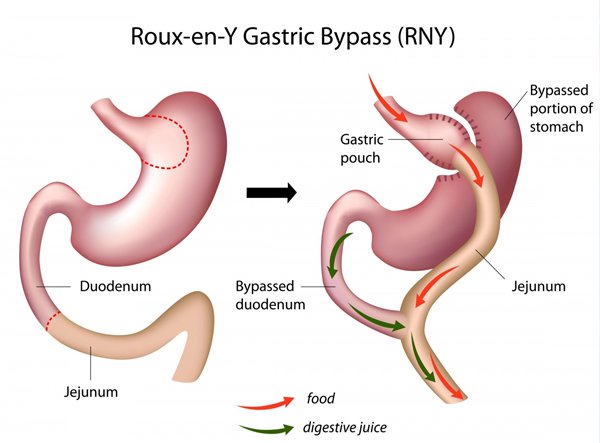
2. Roux-en-Y Gastrojejunostomy (Gastric Bypass): A Small Pouch of stomach is made and food is bypassed in small powl, causing mal absorption & weight reduction.

Does this surgery help in treating Diabetes?

Yes, along with treating Diabetes is also controls Blood Pressure.

What are the other diseases (Co-morbidities) which can be controlled by this surgery?

Heart Attack, Heart Failure, Snoring (Sleep apneas), Asthma, Backache, Joint Pain, Gall Bladder Stone, Severe Acid Reflux, Stroke, Depression & in female Secondary Infertility.

Who is the suitable person for this Surgery?

1. Person with BMI equal or more than 32.5 with co-morbidities
2. Person with BMI equal or more than 37.5 BMI (Body Mass Index) = Weight in Kg./Height in metre Square.

How much weight can be reduced by this Surgery?

20 to 50 kg of weight loss has been observed over a period of 6 months in the operated persons.

Frequently Asked Questions

Laparoscopic bariatric surgery is a minimally invasive surgical approach used for weight-loss procedures in selected patients with obesity. The surgery is performed through small abdominal incisions using a camera and specialized surgical instruments.

Bariatric surgery may be considered for people with obesity when lifestyle changes and other appropriate treatments have not provided sufficient results, particularly when obesity is associated with weight-related health problems. Eligibility depends on factors such as BMI, overall health, medical history, and individual circumstances.

Several bariatric procedures can be performed using laparoscopic techniques, including procedures such as sleeve gastrectomy and gastric bypass. The most appropriate procedure depends on the patient's health, weight-related conditions, eating patterns, and treatment goals.

Bariatric procedures can help with weight loss by reducing stomach capacity, altering digestion, or affecting hunger and satiety mechanisms, depending on the type of surgery. Long-term results also depend on dietary habits, physical activity, follow-up, and adherence to medical recommendations.

Before bariatric surgery, the doctor may recommend blood tests, nutritional assessments, imaging, and other medical evaluations. Depending on the patient's health and the planned procedure, additional assessments may be required to ensure the patient is appropriately prepared for surgery.

Laparoscopic bariatric surgery is an established surgical approach, but like any major surgery, it can involve potential risks. The risks vary depending on the type of procedure, the patient's overall health, existing medical conditions, and other individual factors.

For suitable patients, laparoscopic bariatric surgery may offer benefits such as smaller incisions, less postoperative discomfort, reduced scarring, and potentially faster recovery compared with some open surgical approaches. The benefits depend on the specific procedure and individual patient.

Recovery varies depending on the type of bariatric procedure and the patient's overall health. Patients usually receive specific guidance about diet progression, physical activity, medications, wound care, and follow-up during the recovery period.

Long-term follow-up is important after bariatric surgery. Patients may need ongoing monitoring of weight, nutritional status, dietary intake, and related health conditions. Vitamin and mineral supplementation may also be recommended depending on the type of surgery and individual nutritional needs.

You may consider consulting a bariatric surgeon if you have obesity that is affecting your health or quality of life and have not achieved adequate results through appropriate non-surgical measures. A specialist can evaluate your health, BMI, medical history, and weight-related conditions to determine whether bariatric surgery may be appropriate.
WhatsApp