Comprehensive GI & Laparoscopic surgical care by Dr. Lokesh Yadav — from routine gallbladder and hernia procedures to advanced liver and bariatric surgery.
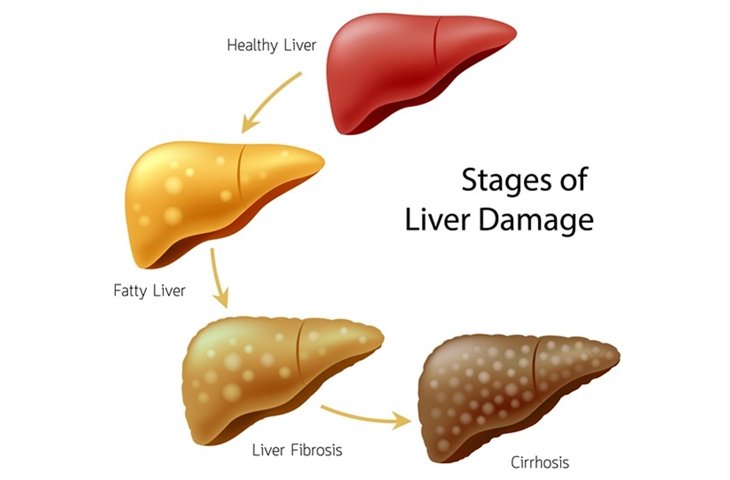
The liver plays a vital role in metabolism, protein synthesis, bile production, and detoxification. When the liver becomes diseased or injured, these essential functions are compromised, leading to serious health issues. Liver disease, also known as hepatic disease, typically shows symptoms only after more than 75% of the liver tissue is affected.
Learn More
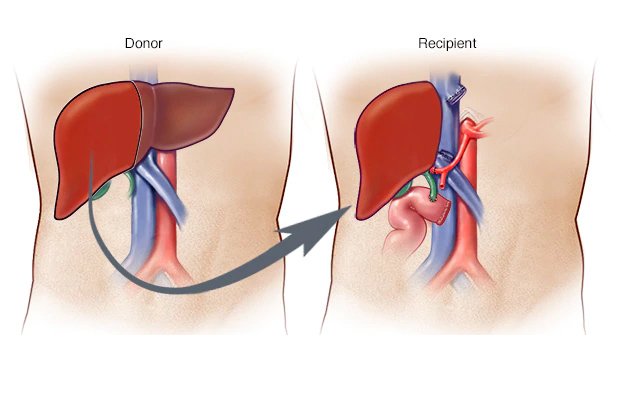
A liver transplant is a surgical procedure that removes a liver that no longer functions properly (liver failure) and replaces it with a healthy liver from a deceased donor or a portion of a healthy liver from a living donor.
Learn More
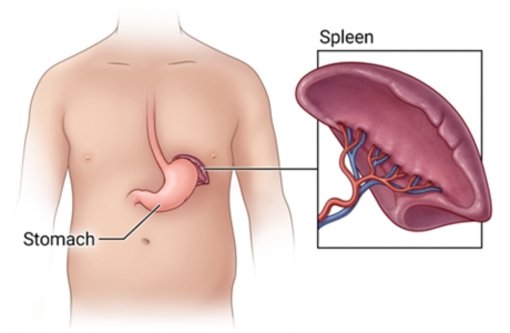
Splenectomy is a surgical procedure performed by a surgeon to remove the spleen, an organ located under the left rib cage that helps fight infection and filters old or damaged blood cells. This surgery is most commonly recommended for a ruptured spleen, often caused by abdominal injury.
Learn More
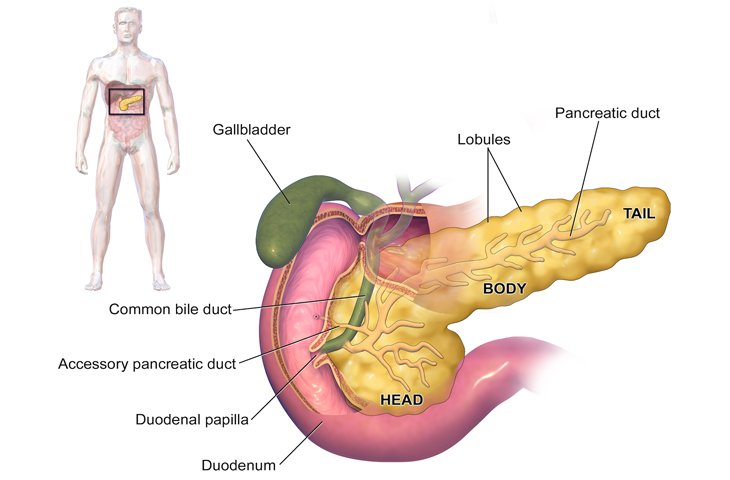
The pancreas is a leaf shaped organ or gland situated deep in the upper abdomen. It is part of the digestive system and produces important enzymes that help break down foods (exocrine function).
Learn More
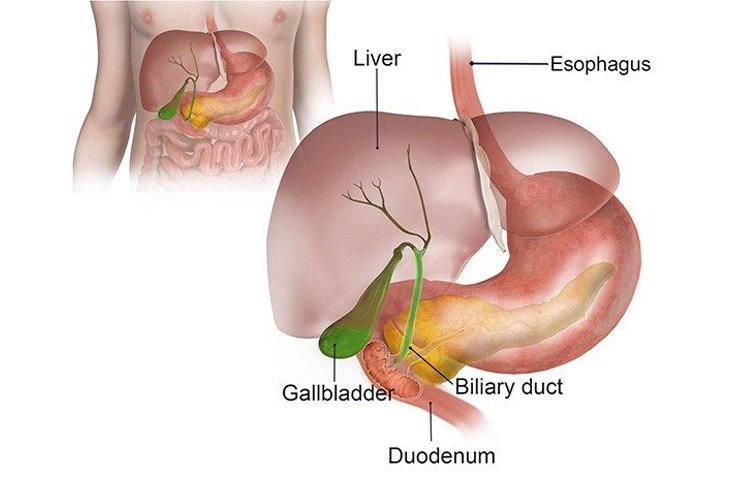
The bile ducts are a series of thin tubes that go from the liver to the small intestine. Their major job is to move bile from the liver and gallbladder into the small intestine, where it helps digest the fats in food.
Learn More
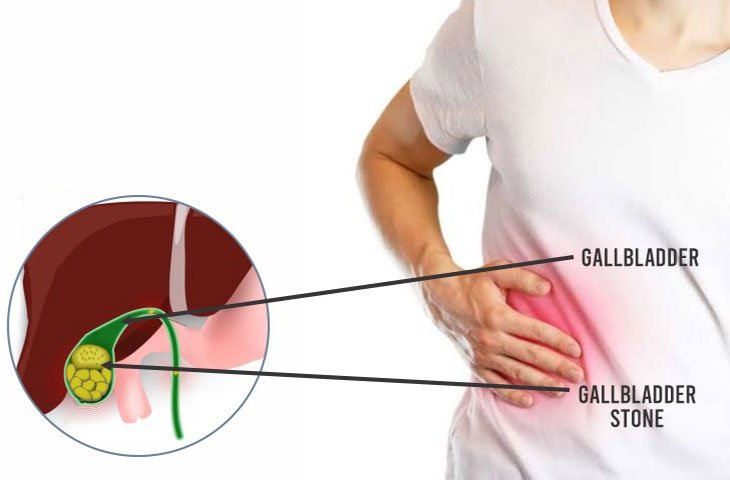
Your gallbladder is a pear-shaped organ that stores bile—a fluid that helps digest food. If it is not functioning properly (or if the balance of your bile becomes disrupted), hard deposits begin to form within it. These deposits can range in size from as small as a grain of rice to as large as a golf ball.
Learn More
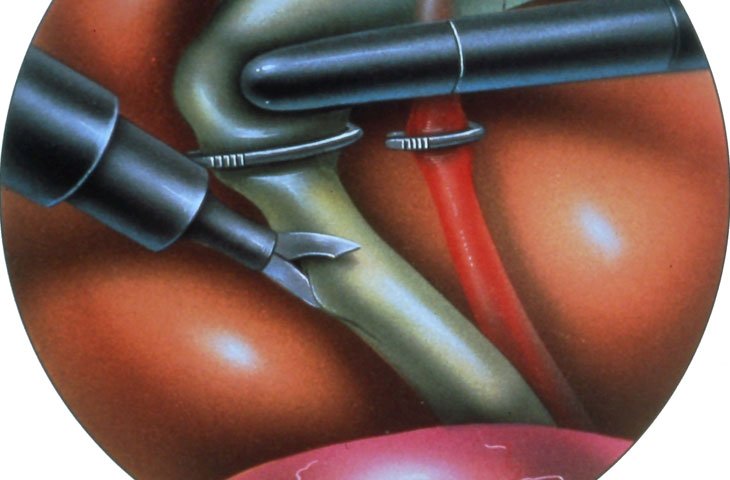
Common bile duct (CBD) stones are identified in 10 to 15 percent of patients undergoing surgery for symptomatic cholelithiasis. CBD stones require extraction for management of symptoms and to prevent complications such as acute suppurative cholangitis, obstructive jaundice, hepatic abscess, and acute pancreatitis.
Learn More
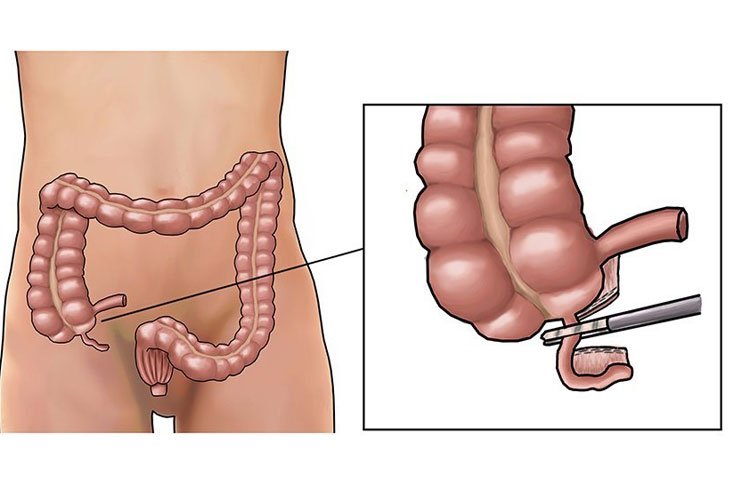
An appendectomy is a surgical procedure used to remove the appendix. It is one of the most common emergency surgeries, typically performed to treat appendicitis, a condition where the appendix becomes inflamed and infected. A skilled Gastro Surgeon usually performs this procedure to ensure safe and effective treatment.
Learn More
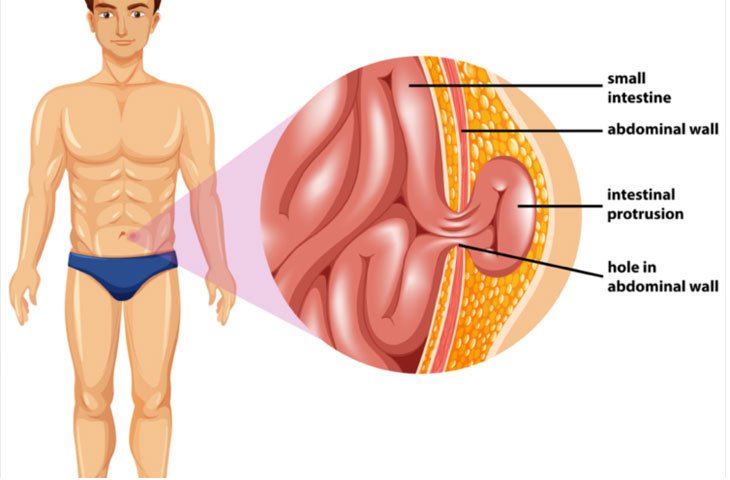
Hernia repair is a surgical procedure used to correct a hernia—a condition in which an internal organ or tissue protrudes through a weak spot in the surrounding muscles or connective tissues.
Learn More
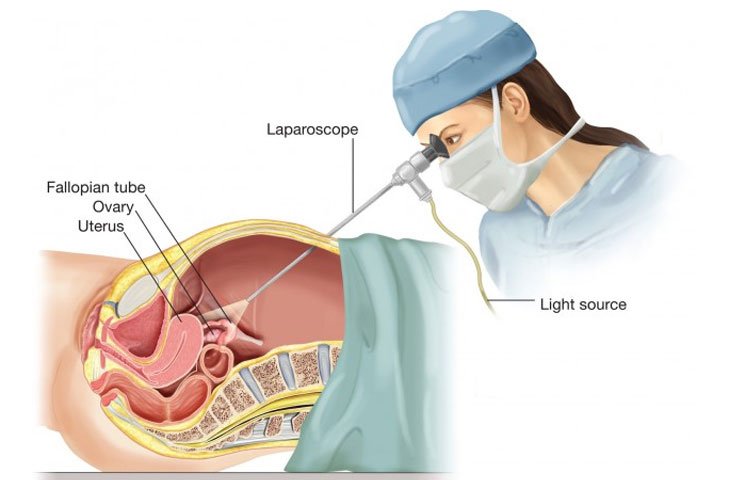
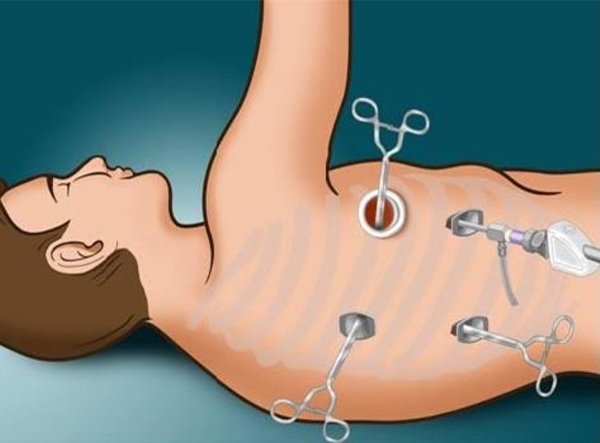
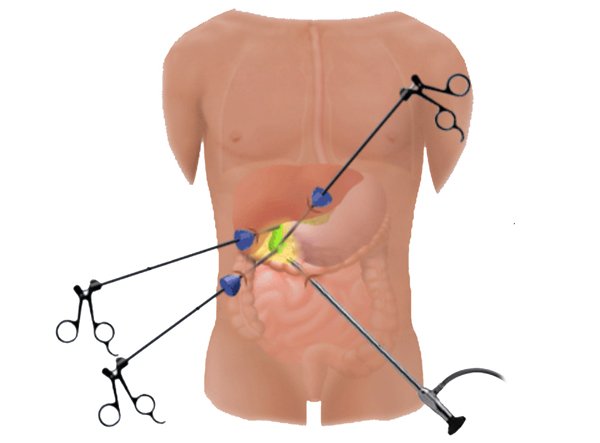
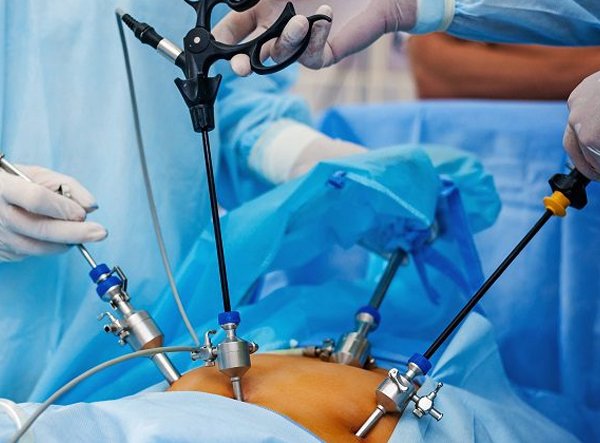
A laparoscope is a telescope designed for medical use. It is connected to a high intensity light and a high-resolution monitor. In order for the surgeon to see inside your abdomen, a hollow tube (port) is placed through your abdominal wall, and the laparoscope is inserted into the port.
Learn More
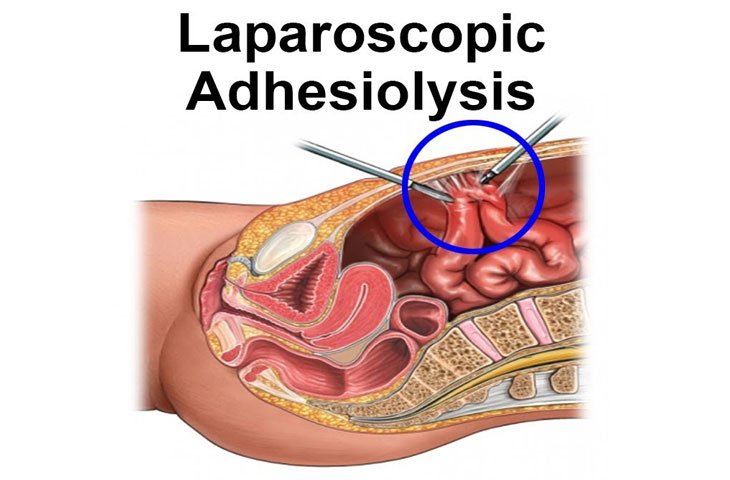
Laparoscopic adhesiolysis for chronic abdominal pain is controversial and is not evidence based. We aimed to test our hypothesis that laparoscopic adhesiolysis leads to substantial pain relief and improvement in quality of life in patients with adhesions and chronic abdominal pain.
Learn More
When a ventral hernia occurs, it usually develops in the abdominal wall at the site of a previous surgical incision. In this area, the abdominal muscles become weakened, leading to a visible bulge or tear.
Learn More
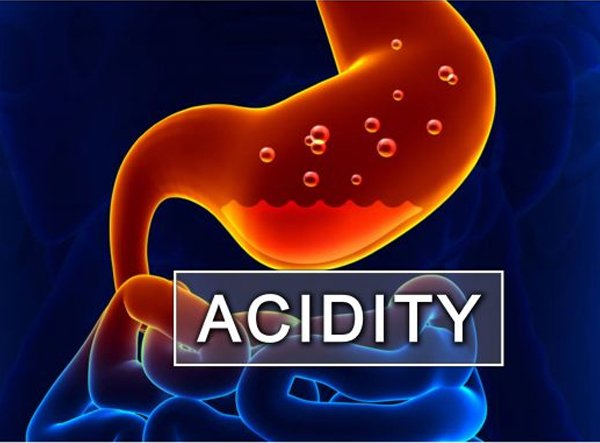
Surgery may be recommended if you are experiencing severe complications of GERD. In some cases, continuous exposure to stomach acid can cause inflammation of the esophagus, leading to bleeding or ulcers.
Learn More
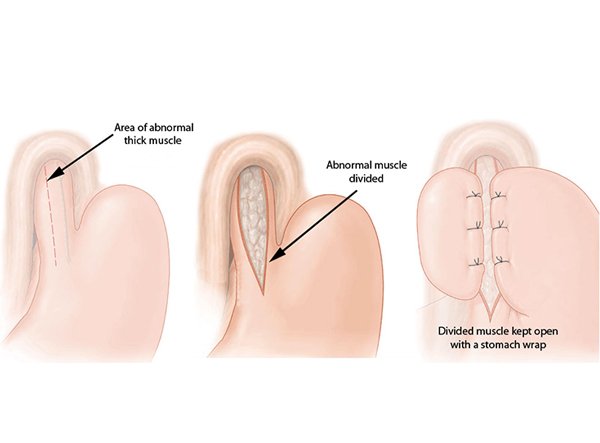
This is an operation for achalasia of the cardia, a condition in which the muscle in the lower oesophagus fails to relax and therefore hinders the passage of food and fluid into the stomach.
Learn More
Video-assisted thoracoscopic surgery (VATS) is a minimally invasive surgical technique used to diagnose and treat problems in your chest.
Learn More
Ovarian cysts may require surgical treatment. The type of surgery depends on whether or not a patient is able to maintain fertility and also the condition of the cyst. The CIGC advanced laparoscopic techniques make it possible to perform complex GYN procedures, including a minimally invasive ovarian cystectomy, using just two tiny incisions.
Learn More
Laparoscopic pancreas surgery allows candidate patients to minimize some of the standard risks and discomfort associated with a standard open operation. Laparoscopic surgery is typically performed using 3 or 4 half-inch or one-inch incisions, sparing patients a large incision.
Learn More
The Advanced GI Minimally Invasive/Bariatric Surgery Fellowship, supported by the Foundation for Surgical Fellowships, offers a comprehensive and immersive training experience in advanced laparoscopic procedures.
Learn More
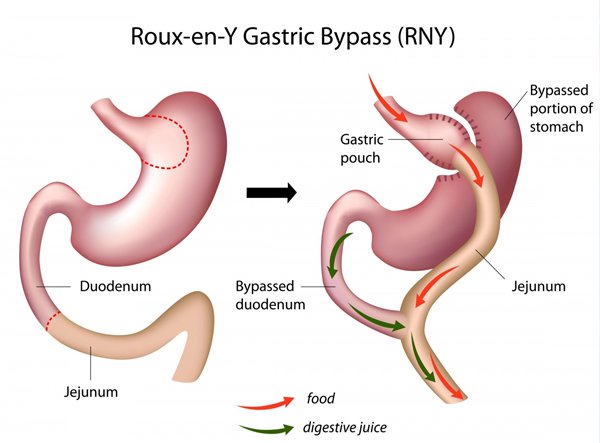
Laparoscopic Bariatric Surgery is helpful in reducing body weight effectively by means of Laparoscopic Surgery.
Learn More
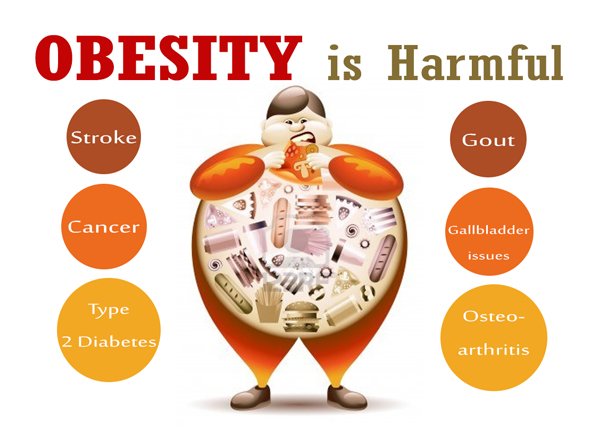
Obesity has become a growing global epidemic, significantly increasing the risk of serious health conditions such as type 2 diabetes, heart disease, and certain types of cancer.
Learn More