419, Hanuman Nagar Extn., Khatipura, Jaipur +91 88247 36742 lokeshyadav1984@gmail.com
Dr. Lokesh Yadav

Laparoscopic Adhesiolysis Surgery in Jaipur

Laparoscopic adhesiolysis for chronic abdominal pain is controversial and is not evidence based. We aimed to test our hypothesis that laparoscopic adhesiolysis leads to substantial pain relief and improvement in quality of life in patients with adhesions and chronic abdominal pain.

Methods

Patients had diagnostic laparoscopy for chronic abdominal pain attributed to adhesions; other causes for their pain had been excluded. If adhesions were confirmed during diagnostic laparoscopy, patients were randomly assigned either to laparoscopic adhesiolysis or no treatment. Treatment allocation was concealed from patients, and assessors were unaware of patients' treatment and outcome. Pain was assessed for 1 year by visual analogue score (VAS) score (scale 0–100), pain change score, use of analgesics, and quality of life score. Analysis was by intention to treat.

Frequently Asked Questions

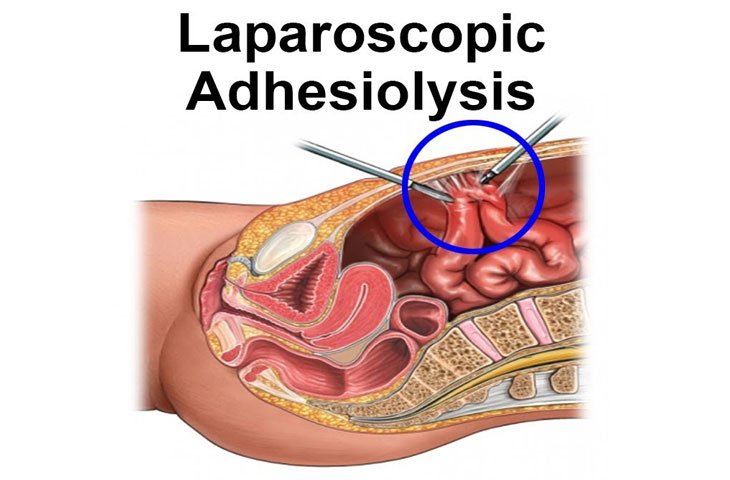
Laparoscopic adhesiolysis is a minimally invasive surgical procedure used to identify and carefully divide abdominal adhesions. Adhesions are bands of scar tissue that can cause internal organs or tissues to stick together.

Abdominal adhesions are bands of scar tissue that can develop between abdominal tissues and organs. They commonly develop after previous abdominal surgery, inflammation, infection, or injury and may sometimes cause pain or other complications.

Laparoscopic adhesiolysis may be considered when abdominal adhesions cause persistent symptoms or complications, such as chronic abdominal pain or intestinal obstruction. The decision to perform surgery depends on the patient's symptoms, medical history, and clinical evaluation.

Abdominal adhesions can develop as a result of previous abdominal or pelvic surgery, inflammation, infection, or tissue injury. Some adhesions may not cause symptoms, while others can interfere with the normal movement of abdominal organs or the intestine.

Symptoms may include recurring abdominal pain, bloating, discomfort, constipation, nausea, or vomiting. When adhesions cause intestinal obstruction, symptoms can become more severe and require urgent medical evaluation.

Adhesions can sometimes be difficult to identify directly through routine imaging tests. The doctor may use the patient's medical history, symptoms, physical examination, and imaging investigations to evaluate possible causes. In selected cases, laparoscopy may help directly identify adhesions.

Yes. Laparoscopic adhesiolysis is performed through small abdominal incisions using a camera and specialized surgical instruments. The surgeon carefully separates adhesions while aiming to minimize injury to surrounding organs and tissues.

Laparoscopic adhesiolysis is a specialized procedure, and like any abdominal surgery, it carries potential risks. These may include bleeding, infection, or injury to nearby organs or the intestine. The individual risks depend on the extent and location of the adhesions and the patient's overall health.

Recovery varies depending on the extent of adhesions, complexity of the procedure, and the patient's overall health. Your surgeon will provide individualized instructions regarding diet, physical activity, wound care, medications, and follow-up.

You should consult a specialist if you have persistent or recurrent abdominal pain, bloating, vomiting, or other symptoms after previous abdominal surgery or an abdominal condition. Severe abdominal pain, persistent vomiting, abdominal swelling, or inability to pass stool or gas requires prompt medical evaluation.
WhatsApp