
How to Choose the Best Gastrointestinal Surgeon in Jaipur
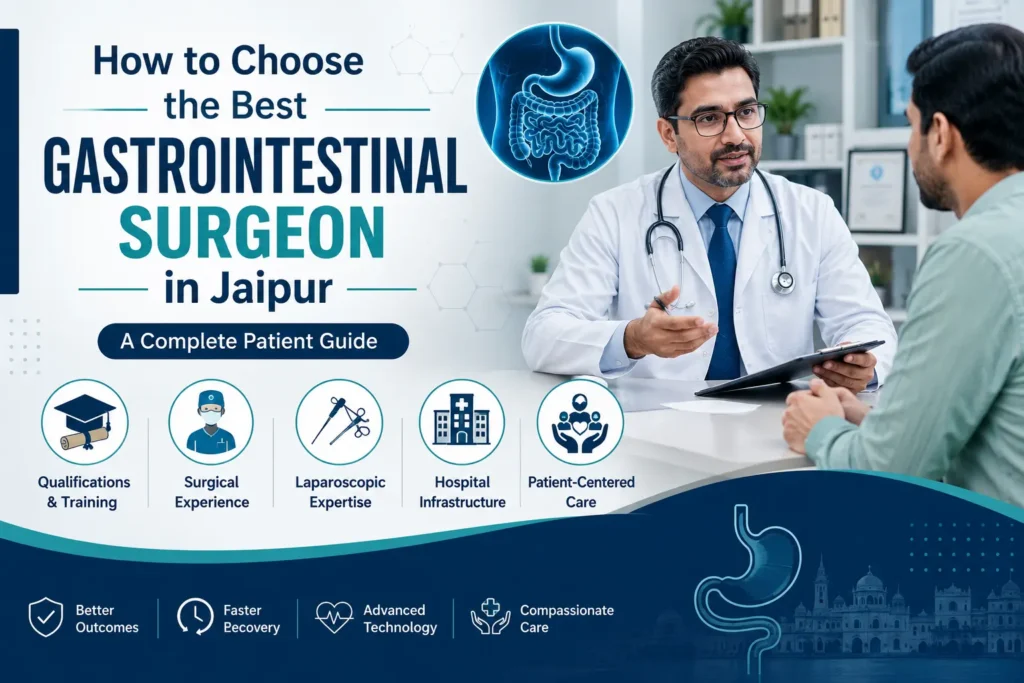
Looking for the best gastrointestinal surgeon in Jaipur but unsure how to make the right choice? Selecting a gastrointestinal surgeon is one of the most important healthcare decisions a patient can make, especially when dealing with conditions affecting the digestive system, liver, pancreas, gallbladder, or intestines. The right surgeon should have specialized training, extensive surgical experience, expertise in minimally invasive procedures, access to advanced hospital facilities, and a strong track record of patient care. This guide explains the key factors every patient should evaluate before choosing a gastrointestinal surgeon, helping you make an informed decision based on qualifications, experience, technology, and trust rather than marketing claims alone. Why Choosing the Right Gastrointestinal Surgeon Matters Gastrointestinal surgery involves the diagnosis and treatment of diseases affecting the digestive system, including the stomach, intestines, liver, pancreas, gallbladder, and bile ducts. Many of these conditions require highly specialized treatment and surgical precision. Choosing the right surgeon can directly impact: A skilled GI surgeon not only performs surgery but also helps patients understand their condition, evaluate treatment options, and prepare for recovery. This holistic approach often leads to better outcomes and greater confidence throughout the treatment journey. Impact on Treatment Outcomes Studies across surgical specialties consistently show that surgeons who regularly perform specific procedures often achieve better outcomes. Experience improves decision-making, technical skills, and the ability to manage complications when they arise. For patients, this means a higher likelihood of successful treatment and a smoother recovery process. Importance of Specialized Surgical Expertise Not all surgeons focus on gastrointestinal disorders. GI surgery requires advanced training and expertise in managing conditions affecting multiple organs within the digestive system. Patients with complex conditions involving the liver, pancreas, bile ducts, or intestines should consider whether the surgeon has specialized training and experience in treating similar cases. Qualifications to Look for in a Gastrointestinal Surgeon Qualifications provide insight into a surgeon’s training and expertise. While qualifications alone should not determine your choice, they serve as an important starting point. Medical Degrees and Surgical Training Patients should look for recognized qualifications such as: These credentials indicate formal training in gastrointestinal surgery and digestive system disorders. Continuous Learning and Professional Development Medicine continues to evolve with new technologies and treatment approaches. Surgeons who actively participate in conferences, workshops, academic activities, and professional organizations are often better positioned to provide modern, evidence-based care. Patients may also review publications, presentations, and professional memberships when evaluating a specialist. How Important Is Surgical Experience? While qualifications are important, experience often plays an equally significant role. A surgeon who frequently manages specific gastrointestinal conditions develops deeper expertise and greater confidence in handling both routine and complex cases. Experience With Similar Conditions Before making a decision, consider asking: These questions can help you understand the surgeon’s familiarity with your condition. Experience With Complex Procedures Certain conditions require advanced expertise, including: Patients facing complex diagnoses should ensure that the surgeon has substantial experience in the relevant area. Why Laparoscopic Expertise Matters Laparoscopic surgery has transformed gastrointestinal care by allowing many procedures to be performed through small incisions using specialized instruments and cameras. Today, minimally invasive surgery is often preferred when clinically appropriate. Benefits of Minimally Invasive Surgery Potential benefits may include: These advantages can improve the overall patient experience and allow individuals to return to normal activities more quickly. Is Laparoscopic Surgery Right for Every Patient? Not necessarily. The suitability of laparoscopic surgery depends on factors such as: A qualified GI surgeon should explain whether minimally invasive techniques are appropriate for your situation. How to Verify a Surgeon’s Credentials Patients should never hesitate to verify a surgeon’s professional credentials before undergoing treatment. Check Medical Registration One of the simplest ways to verify a surgeon’s credentials is through official medical councils and regulatory bodies. Verification can help confirm: This additional step can provide peace of mind and improve trust. Evaluate Hospital Affiliations The hospitals where a surgeon practices can also provide useful insight. Consider factors such as: A strong healthcare environment often contributes to safer surgical care and better outcomes. Why Hospital Infrastructure Matters Even highly skilled surgeons rely on quality hospital infrastructure to deliver effective treatment. Patients should evaluate whether the hospital offers: For complex gastrointestinal procedures, access to advanced facilities can make a significant difference in patient safety and recovery. Questions to Ask Before Choosing a Gastrointestinal Surgeon Asking the right questions during a consultation can help patients make informed decisions. Question Why It Matters What is your experience with my condition? Assesses expertise Are minimally invasive options available? Explores treatment choices What are the risks and benefits? Supports informed decisions What is the expected recovery time? Sets realistic expectations What complications should I know about? Improves understanding When can I return to normal activities? Helps recovery planning A good surgeon should be willing to answer these questions clearly and honestly. Red Flags Patients Should Not Ignore While many surgeons provide excellent care, patients should remain alert to potential warning signs. Lack of Transparency Be cautious if information regarding qualifications, risks, costs, or treatment plans is unclear or difficult to obtain. Poor Communication Effective communication is essential. Patients should feel comfortable asking questions and discussing concerns throughout the treatment process. Unrealistic Promises No ethical surgeon can guarantee perfect results. Be wary of exaggerated claims or promises that seem unrealistic. Quick Checklist for Choosing a Gastrointestinal Surgeon Before making your final decision, ask yourself: This simple checklist can help patients compare specialists more effectively. Final Thoughts Choosing a gastrointestinal surgeon is an important healthcare decision that should be based on expertise, experience, communication, trust, and access to quality medical facilities. Taking the time to research options, verify credentials, and ask informed questions can help patients feel more confident about their treatment journey. If you are evaluating specialists and comparing treatment options, understanding these factors can help you identify the Best GI Surgeon in Jaipur and choose a surgeon who aligns with your medical needs and long-term health goals. Patients seeking expert gastrointestinal and laparoscopic surgical care can learn more about Dr.
Say Goodbye to Digestive Problems with Gastrointestinal Surgery in Jaipur
Digestive issues can significantly impact your daily life. Ranging from persistent abdominal pain to post-meal discomfort, these problems can make even routine daily activities challenging. Many people initially overlook these symptoms, assuming they will resolve on their own. This is a major mistake, as the underlying issues often persist; therefore, taking the appropriate steps to obtain a proper diagnosis and treatment becomes essential. The good news is that advancements in modern medicine have made it easier to treat complex digestive disorders safely and effectively. By seeking the advice of the right specialists and adopting their recommended strategies, you can quickly restore your health and lead a comfortable life. Easy Guide to Gastrointestinal (GI) Surgery The primary objective of Gastrointestinal (GI) surgery is to treat problems associated with the digestive system. This involves organs such as the stomach, intestines, liver, pancreas, and gallbladder. A skilled specialist identifies these issues and employs advanced techniques to treat conditions that cannot be cured solely through medication. Common Conditions Treated Some common digestive problems that may require surgery include: Early treatment can prevent complications and improve recovery. When Do You Need GI Surgery? Not every digestive issue needs surgery. However, you may need to consult a GI Surgeon if you experience: Ignoring these symptoms can make the condition worse over time. A proper evaluation helps decide whether surgery is necessary. Types of Gastrointestinal Surgeries A qualified Gastro Surgeon in Jaipur may recommend different types of procedures depending on your condition. 1. Laparoscopic (Minimally Invasive) Surgery This is one of the most advanced methods used today. Benefits: 2. Open Surgery Used for more complex cases where a larger incision is required. 3. Emergency Surgery Needed in urgent situations like appendicitis or intestinal blockage. Why Choose an Expert GI Surgeon? Choosing the right doctor makes a huge difference in your treatment and recovery. An experienced GI Surgeon in Jaipur like Dr. Lokesh Yadav offers: With expert care, patients feel more confident and comfortable throughout the process. Benefits of Gastrointestinal Surgery Many people feel nervous when they hear the word “surgery.” But in reality, it can greatly improve your quality of life. Key Benefits: Modern techniques ensure that surgeries are safer and recovery is quicker than ever before. What to Expect Before Surgery Before the procedure, your doctor will guide you through: This preparation helps ensure a smooth and successful surgery. Recovery After GI Surgery Recovery depends on the type of surgery performed. However, most patients can return to normal activities within a few weeks. Tips for Faster Recovery: A good recovery plan is just as important as the surgery itself. Lifestyle Tips for Better Digestive Health Even after successful treatment, maintaining a healthy lifestyle is important. Simple Tips: These habits can prevent future digestive problems and keep your system healthy. Why Jaipur is a Good Choice for GI Treatment Jaipur has become a trusted destination for advanced medical care. Patients benefit from: Consulting a trusted Gastro Surgeon in Jaipur ensures you receive quality care close to home. Take the First Step Toward Better Digestive Health Digestive problems should never be ignored. With proper treatment and expert guidance, these issues can be resolved, allowing you to lead a healthy life. Gastrointestinal surgery offers a safe and effective solution for many conditions that cannot be treated solely through medication. If you are experiencing persistent digestive problems, consulting an experienced specialist like Dr. Lokesh Yadav can steer your life in a better direction. FAQs 1. Who are the Best GI surgeons in Jaipur? Many people in Jaipur consider Dr. Lokesh Yadav to be an excellent GI surgeon, known for providing modern and patient-friendly treatment. 2. What Conditions do Gastro Surgeons Treat? Gastro surgeons treat problems related to the digestive system, including gallstones, hernias, appendicitis, and intestinal disorders. 3. Is It Safe to Undergo Gastrointestinal Surgery? Yes, with the help of modern techniques and experienced surgeons, GI surgeries are generally safe and have a very high success rate. 4. How Long Does It Take to Recover From Gi Surgery? Recovery time depends on the type of surgery, but most patients recover within a few weeks, especially following minimally invasive procedures. 5. What is the Cost of Gastrointestinal Surgery? The cost of gastrointestinal surgery varies depending on the patient’s condition, the hospital, and the type of surgery. However, affordable treatment is available in Jaipur compared to many other cities.