
Diet After Gallbladder Surgery: What to Eat and What to Avoid
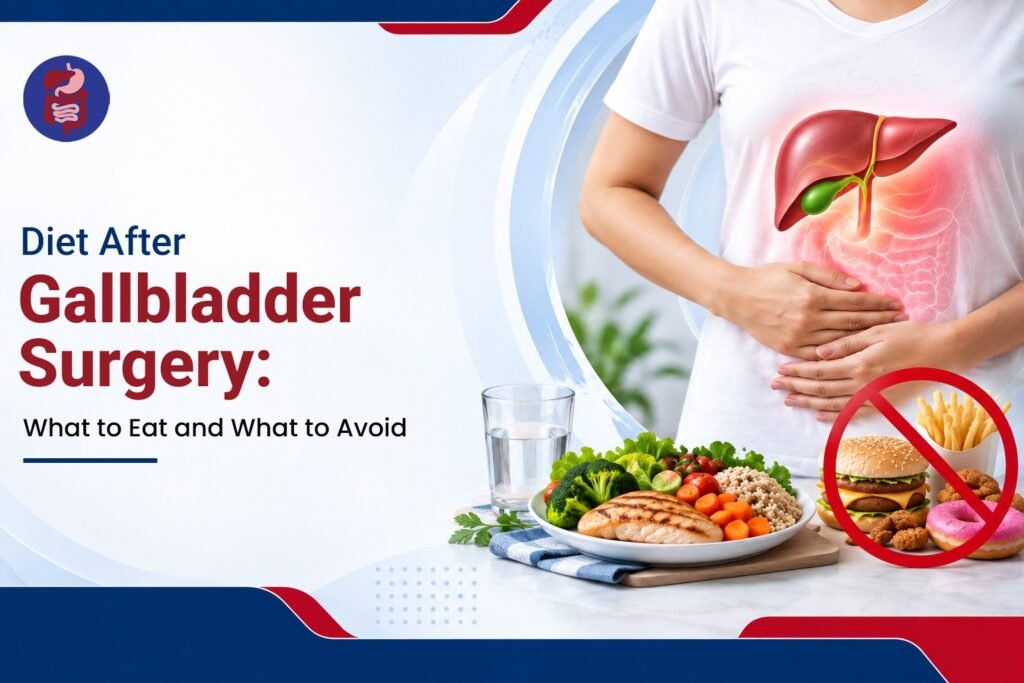
Which diet to be followed post-gallbladder surgery? After gallbladder surgery, you should follow a low-fat diet with 5 to 6 small-portion meals a day. It helps your body adjust to direct bile flow. After the gallbladder removal, your liver continues to make bile, but your body no longer stores it in the gallbladder. Bile is a crucial fluid produced by the liver to digest fats and remove waste from the body. Because of this bodily change, some people may notice loose stools or bloating after having heavy meals or foods with higher amounts of fat. A diet after gallbladder surgery is therefore focused on reducing heavy, high-fat foods in the first few days after the procedure. You may later gradually bring other foods back into your diet as per your doctor’s recommendation. To help you choose the right diet plan, this guide explores some of the suitable foods that you can have post-gallbladder surgery. Why Diet Matters Right After Gallbladder Surgery? Diet is the most crucial factor after gallbladder surgery because your digestive system needs some time to adapt to the changes after the gallbladder removal. Many specialists recommend a cholecystectomy diet to manage the way the liver continuously produces bile. Having large or fatty meals can cause bloating, discomfort, loose stools and diarrhoea. To avoid these instances, following a gallbladder surgery recovery diet that involves eating meals in smaller portions and limiting high-fat foods is often recommended by doctors. Diet Timeline After Gallbladder Surgery A common and effective guideline for a gallbladder surgery diet plan is starting with eating light, low-fat foods. A few weeks after surgery, you may have your regular diet as your digestive system settles and as per your doctor’s recommendations. The following is a quick reference for what you should eat during the first 3 weeks after gallbladder surgery: Immediate Post-Surgery Diet (Day 1–3) From day 1, you should choose light and easy-to-digest foods. Have these meals in small portions about 5 to 6 times a day along with plain water. Some of the low-fat foods often suggested for what to eat after gallbladder removal are toast, plain rice (preferably those with a low glycemic index), khichidi, soup or soft-cooked foods. At the same time, avoid greasy and heavy meals. Transition Diet (Week 1–2) Once the first week has passed, you can add more variety of low-fat foods as per your doctor’s recommendation. You may introduce lightly cooked vegetables, fruits, oats, and dal (pulse), following the parameters of a standard gallbladder stone surgery diet to ensure your system isn’t overwhelmed. Returning to a Normal Diet (Week 3 Onward) After the third week of gallbladder surgery, you can return to your regular diet. This transition is typically smooth for patients who underwent laparoscopic surgery, as the recovery time is often shorter. Before making any changes to your diet, consult your doctor to minimise the chances of side effects. Have your regular meals, but still avoid large, fatty meals on a daily basis for a healthy metabolism. Here is a quick glance at the three-week meal plan: Phase Duration What to Eat Immediate post-surgery Day 1–3 Light foods, fluids, plain rice, toast, khichdi, soup and soft-cooked foods Transition diet Week 1–2 Cooked vegetables, fruits, dal, oats, rice and lean protein Returning to normal Week 3 onward Gradually resume a balanced diet according to your tolerance Foods to Include After Gallbladder Surgery You should follow a low-fat diet after surgery for gall bladder. Some of the most common low-fat foods for after gallbladder surgery are: Some of the above foods are raw ingredients, cook them with low-fat recipes. If you have questions regarding specific food tolerances, schedule a consultation & appointment to discuss a personalised plan with a gastronomical specialist. Which Foods to Avoid After Gallbladder Surgery? You should avoid any food that is fried or greasy in the first three weeks after gallbladder surgery. Adhering to a strict diet after gallbladder surgery by steering clear of items high in saturated fats will help prevent post-operative digestive distress. The following list presents some more specific foods that you should avoid: Does Gallbladder Surgery Diet Cause Weight Changes? A gallbladder surgery diet does not cause major weight changes. Your weight may change due to the amount of food you eat and your physical activity levels following your gallbladder stone surgery. If you experience a sudden weight gain or loss, then consult your doctor. Doctor Insight Box After gallbladder surgery, you should pay close attention to changes in your body. Some of the normal post-op symptoms are bloating, mild abdominal discomfort, gas and temporary loose stools. The red-flag symptoms of post-gallbladder surgery are persistent vomiting, severe or worsening abdominal pain, fever, yellowing of the skin or eyes, increasing abdominal swelling or worsening symptoms. If you experience any of the red-flag symptoms, reach out to your doctor without further delay. FAQs 1. Do I need to follow this diet for life, or only for a few months? Diet changes after gallbladder surgery are suggested for the first few weeks. After 3 or 4 weeks, you can have your regular meals as per your doctor’s recommendations. 2. Can I eat spicy or oily food again once I’ve recovered? Yes, you can have spicy or oily foods once you recover from the surgery. But having these foods on a regular basis is not recommended on a daily basis. 3. Why does fatty food cause diarrhoea after gallbladder surgery? Diarrhoea resulting from consumption of fatty foods after gallbladder removal occurs due to the constant dripping of bile from your liver to your intestines since the gallbladder is no longer present. The lack of regulation of bile in your body leads to high-fat meals passing out of your body too fast, leading to loose stools. 4. Is weight gain common after gallbladder removal? Weight gain is not common after the removal of the gallbladder. If you have gained some weight, it is recommended that you see your doctor. Focusing on lean proteins and fibre
Laparoscopic Surgery vs Open Surgery: What Patients Should Know
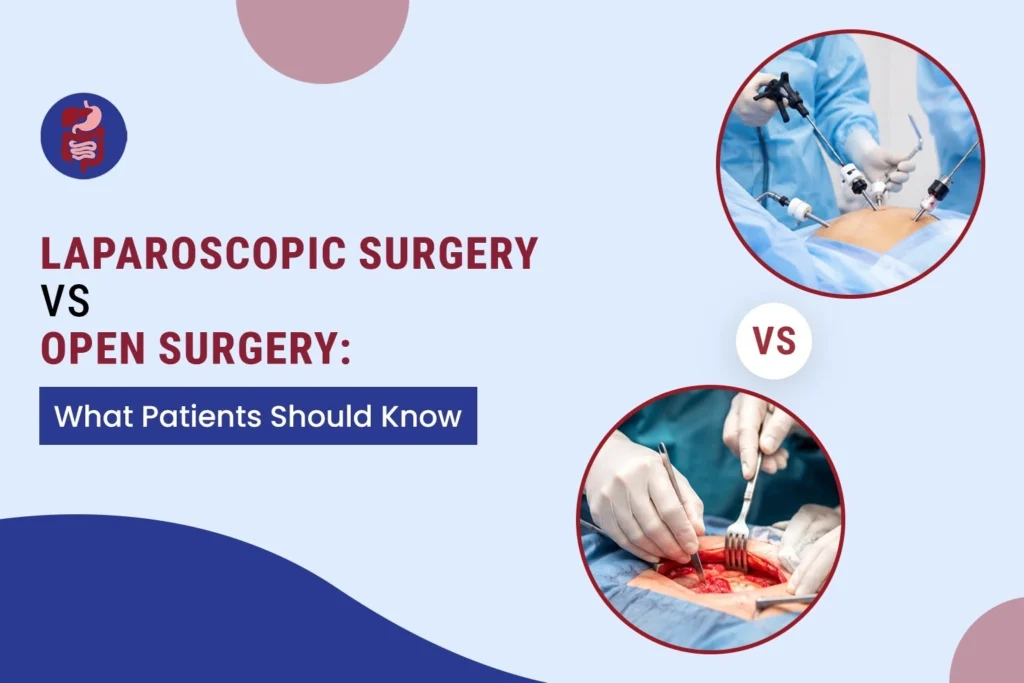
What steps make surgery safer and recovery easier? A safe surgery is the perfect match of three things: properly followed hospital safety protocols, pre-operative preparation and adherence to the post-operative guidelines. When you look at Laparoscopic Surgery vs Open Surgery, a 2025 meta-analysis of more than 3,400 patients has found that laparoscopic procedures reduce hospital stay by about 6 days, when compared with 8 days of open surgery. So, is laparoscopic surgery the future of medical procedures? As per the experiences of Dr. Lokesh Yadav, the best laparoscopic surgeon in Jaipur, this blog explains when open surgery or laparoscopic surgery is used and how each of them helps in recovery. What Is the Difference Between Laparoscopic and Open Surgery? The main difference between laparoscopic surgery and open surgery is the size of the incision used during the treatment. The following is a brief look at each of them: How Does Laparoscopic (Keyhole) Surgery Work? In laparoscopic surgery, also known as keyhole surgery, surgeons make several small cuts to place a tiny camera (laparoscope) along with special surgical tools. This type of surgery as well as recovery is done faster compared to open surgery. How Does Open Surgery Work? As the name suggests, open surgery means surgeons make a single, larger incision to get direct access to organs, bones and tissues. This procedure is often preferred for organ transplants or to treat severe trauma. Sometimes, patients may experience a longer open surgery recovery time since there is a larger cut than laparoscopic surgery. What Are the Benefits of Laparoscopic Surgery? Some of the main laparoscopic surgery benefits are smaller cuts, less post-surgery pain and faster recovery. Smaller Incisions, Less Pain Because the cuts are small, patients feel less pain around the surrounding muscles and tissues post-surgery. Upon the doctor’s prescription, having a few painkillers and applying ointments provides relief from post-surgical pain within a few days. Shorter Hospital Stay and Faster Return to Work As you heal faster, the hospital stay period also significantly reduces. For most patients, laparoscopic surgery recovery time stays between one and two days of inpatient care and they are able to return to work within a few days. At a glance: Laparoscopic Vs Open Surgery Pain: Factor Laparoscopic Surgery Open Surgery Incision Size A few cuts, usually under half an inch One large incision Pain Level Mild to moderate Moderate to high Hospital Stay Often 1–2 days Around 4–7 days Recovery Time 1–3 weeks 4–6 weeks or more Scarring Tiny, barely visible marks One long, prominent scar When Is Open Surgery Still Necessary? In some conditions, open surgeries are still performed in the most effective way. Here are some conditions that help you know when is open surgery necessary for treatment: Complex, Advanced or Emergency Cases To treat advanced cancers that spread to nearby tissues or large tumours, open surgery gives surgeons better control to treat the condition. Open surgery also requires inserting large orthopaedic implants or repairing highly fragmented, complex fractures safely. Extensive Scar Tissue From Previous Surgeries (Adhesions) Patients who have had multiple abdominal operations may develop scar tissue that is also known as adhesions. This condition makes keyhole surgery difficult and less effective. To treat such conditions, open surgery lets the surgeon work carefully around the scarred tissues and reduces the risk of injury. Doctor’s Insight Open surgery is often preferred by doctors when there is a need to treat a large tumour, an emergency situation or dense scar tissues from previous surgeries. During these procedures, the medical team’s priority is safety and control. Which Surgeries Can Be Done Laparoscopically? Some of the common procedures that can be done laparoscopically are Gallbladder, Hernia, Appendix and Liver surgeries. Here is a brief look at each of them: Common Procedures The following are three of the most common procedures performed via laparoscopic surgery: Advanced Laparoscopic GI and Liver Surgeries Laparoscopic surgeries can also be done for some complicated digestive system-related problems. Some of these procedures include: Is Laparoscopic Surgery Safe? What Are the Risks? Yes, laparoscopic surgery safety is strong in both common procedures and advanced laparoscopic conditions. Along with that, laparoscopic procedures have some complications like any other surgical procedures. General Safety and Success Rates The success rate of laparoscopic surgery is high when performed by an experienced surgeon. Most of the patients recover from the disease without any major issues and there is a lower chance of wound infection than with open surgery. Possible Complications and Conversion to Open Surgery As with different types of surgery, the possible laparoscopic surgery risks are minor bleeding, infection or injury to the nearby organs. If you experience severe pain or high fever, contact your surgeon without any delay. What Is the Cost Difference Between Laparoscopic and Open Surgery? Laparoscopic surgeries typically have a higher upfront cost than open surgeries because advanced equipment is used for the surgery. However, the laparoscopic surgery cost in India may be offset by a shorter hospital stay and faster recovery. Factors That Affect the Cost The four main factors that affect the cost of surgery are: type of procedure, the surgeon’s experience, the hospital category and the length of stay. In some instances, anaesthesia, pre-surgery tests and medical complications can increase the overall cost of the treatment. Is Laparoscopic Surgery Covered by Insurance? Most insurance policies cover the laparoscopic surgery cost in Jaipur, as this treatment is widely medically recognised. However, read your policy details to confirm the availability of this feature. Approximate cost comparison Surgery Type Approx. Laparoscopic Cost Approx. Open Surgery Cost Gallbladder Stone Surgery ₹50,000 – ₹1,00,000 ₹80,000 – ₹1,50,000 Hernia Repair Surgery ₹45,000 – ₹1,50,000 ₹25,000 – ₹1,50,000 Appendix Surgery ₹40,000 – ₹1,20,000 ₹25,000 – ₹60,000 Recovery Timeline: Laparoscopic vs Open Surgery The laparoscopic surgery recovery time often stays between one to three weeks. While recovery from open surgery may take four to six weeks or sometimes it may take a bit longer. Laparoscopic Recovery Milestones Most patients are able to sit independently and begin walking
Bariatric Surgery in Jaipur: Types, Benefits, Cost, Risks & Recovery
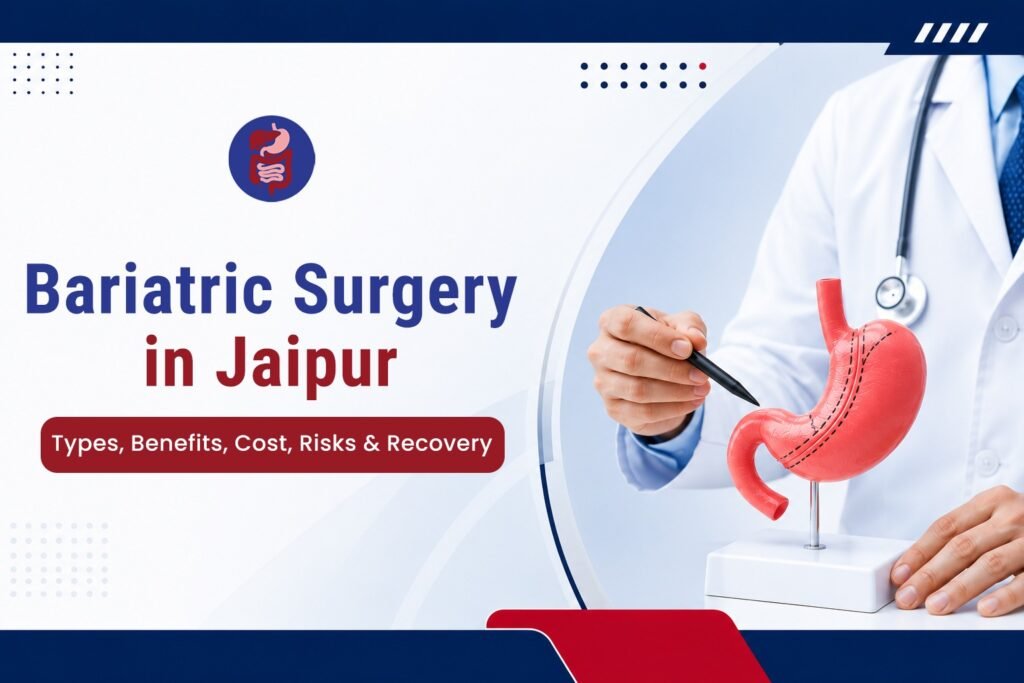
Is bariatric surgery really a useful way to lose weight or is it just a risky shortcut? The short answer is that neither is it a shortcut nor a last option. Bariatric surgery is preferred when diet, exercise and medicines are not very effective in treating obesity. This surgery reduces the stomach’s capacity or changes how the body absorbs food. It helps you regain a healthy body so that you can walk, step up stairs or eat your favourite food without having any issues. To regain your body’s core strength, consulting the best GI surgeon in Jaipur helps you achieve natural muscle mass without having any severe strain. Bariatric Surgery Is a Medical Option for Long-Term Weight Loss Bariatric surgery is used as an effective treatment to lose weight. This weight loss operation is made for people who are diagnosed with severe obesity. What Does Bariatric Surgery Mean? Bariatric surgery is a group of medical procedures that changes the size and functions of your stomach to reduce how much you eat. How Does Weight Loss Surgery Work? Weight loss surgery in Jaipur helps patients to feel full sooner and, in some cases, reduces how many calories and nutrients your body can absorb from food. Why It Is Not a Cosmetic Shortcut? The goal of this surgery is to provide better health to patients. That’s why this surgery is recommended when obesity affects the patient’s body and daily life. Why Is Surgeon Evaluation Important? A medical intervention from a bariatric surgeon in Jaipur includes checking your BMI, medical history and health risks to plan how the surgery will work. Bariatric Surgery Is Suggested When Obesity Starts Affecting Health Bariatric surgery is typically suggested to patients when obesity harms overall health. This surgery is also recommended in situations when there is a higher risk of diabetes, breathing problems and heart disease. In such cases, timely obesity surgery can help prevent long-term complications. When Diet and Exercise Are Not Enough Surgery remains the last option for obesity treatment in Jaipur when diet and exercise do not show significant improvement for weight loss. Obesity With Diabetes or High Blood Pressure Obesity surgery in Jaipur is typically recommended to patients when the obesity is linked with type 2 diabetes or high blood pressure. Sleep Apnea and Breathing Problems Another reason to have this surgery is if the patient’s overweight causes snoring, sleep apnea or breathlessness. Joint Pain and Difficulty in Daily Activities If you are experiencing constant knee, hip or back pain paired with obesity, then bariatric surgery is also recommended. Why BMI and Medical History Matter Your BMI and medical history help doctors to understand your current health condition and how well the surgery will be useful. Different Types of Bariatric Surgery Are Chosen According to Patient Need The right surgery depends on the patient’s weight and health goals. Here is a brief look at each type of surgery. Gastric Sleeve Surgery During this surgery, a large part of the patient’s stomach is removed, leaving a small sleeve-shaped stomach that limits the ability to eat foods. Gastric Bypass Surgery Through gastric bypass surgery, the stomach size is shrunk and bypasses the upper small intestine so that patients eat less and absorb fewer calories. Mini Gastric Bypass Surgery In this surgery, a simple and quick version of gastric bypass is done for noticeable weight loss with a single intestinal connection. Laparoscopic Bariatric Surgery These surgeries are done by making tiny keyhole cuts near the stomach area to either reduce stomach volume or alter digestion. How a Surgeon Decides the Right Procedure The weight loss surgeon in Jaipur weighs the patient’s BMI, health condition, eating habits and risk before recommending any option. Besides, here are a few more factors considered for choosing the right treatment: Procedure How It Works? Best Suited For Weight Loss Recovery Gastric Sleeve Removes part of the stomach to limit food intake Moderate to high BMI, simpler cases Good and steady Faster Gastric Bypass Smaller stomach plus rerouted intestine to reduce absorption Obesity with diabetes or acid reflux High Moderate Mini Gastric Bypass Smaller stomach with a single, simpler bypass connection Those wanting strong results with shorter surgery High Moderate Laparoscopic Approach Keyhole technique used across the above procedures Most eligible patients Depends on procedure Fastest Laparoscopic Bariatric Surgery Can Help With Faster Recovery The Laparoscopic Bariatric Surgery works faster because the whole process is done through making tiny cuts near the stomach area. These cuts heal faster than large incisions, reducing the period for hospital stay and post-operative recovery. What Does Laparoscopic Surgery Mean? Laparoscropic surgery means that the whole procedure is done through a minimally invasive method using a small camera and thin instruments through a few tiny openings. This approach is carried out by a skilled Laparoscopic Surgeon in Jaipur using advanced instruments. Smaller Cuts and Less Pain Because the skin cuts are small, the possibility of tissue damage is reduced and less pain after the surgery. Shorter Hospital Stay Most of the patients can be discharged within a few days after the surgery. Faster Return to Normal Routine Faster healing allows the patient to go back to the normal routine and perform daily activities in less time. When Open Surgery May Be Needed? An open surgery may become necessary if the patient’s health is complex or if they have previous abdominal surgeries. In such situations, advanced GI surgeries may be planned for the patient’s safety. Bariatric Surgery Benefits Go Beyond Weight Loss One of the main bariatric surgery benefits is that it boosts mobility among patients. It also supports a healthier, more active life along with the following benefits: Better Weight Management The surgery makes it easier to lose excess weight and fat. Improvement in Obesity-Related Health Problems Most of the patients experience better control of contions such as high blood pressure, type 2 diabetes and sleep apnea. Better Mobility and Physical Activity An optimal body weight helsp in maintaining better mobility among patients. It also reduces
Hernia Repair Surgery: Types, Causes, Symptoms & Laparoscopic Treatment
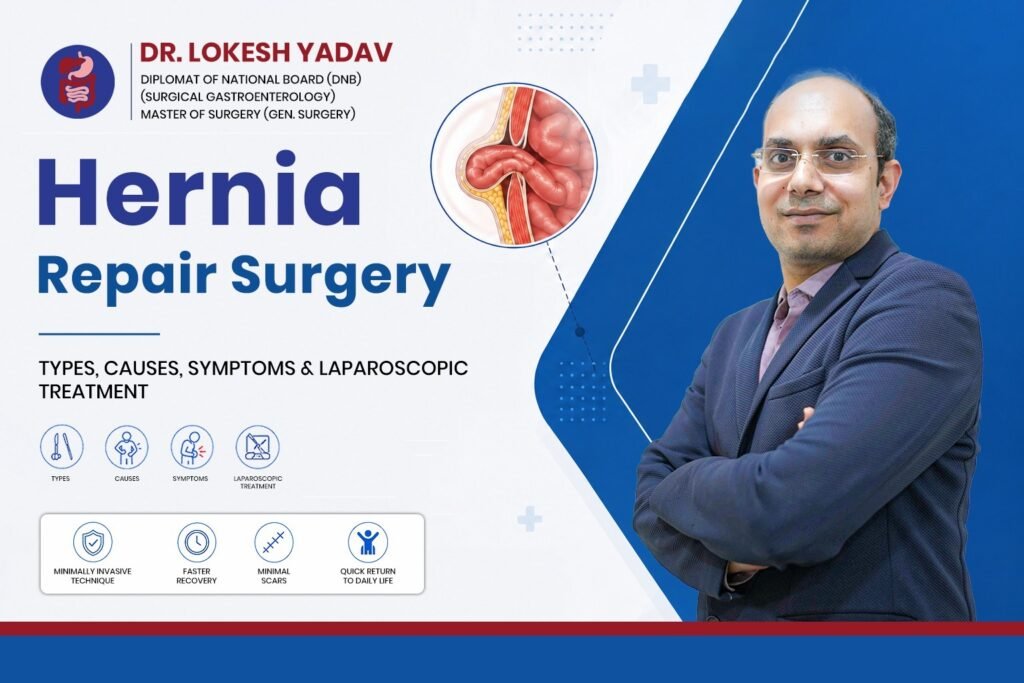
Can a hernia heal on its own without surgery? Unfortunately, the answer is no. Once a hernia forms in the body, the weak spot in your muscle walls stays open and may stretch wider over time. In this condition, a hernia repair surgery is the only way to close that gap and restore the strength of your muscle walls. Modern hernia repair surgery is minimally invasive, and it is often done through tiny keyhole incisions that let most patients go home the same day. This guide explains what a hernia is, its types, causes, symptoms and treatment options. It also explains the approach of the best laparoscopic surgeon in Jaipur to cure this condition. What Is a Hernia and When Is Surgery Needed? Hernia refers to the situation where an organ or fat tissue moves through a weak spot or opening in the muscle tissue that holds the organ in place. This condition does not heal on its own and requires surgery when it causes persistent pain and there is a visible bulge beneath the skin. How Does a Hernia Form? Hernia develops gradually as the inner organs and tissues continue pressing against a weak area in the muscular wall. What patients tend to observe first is the visible bulge beneath the skin because of continuous pressure on that area. Can a Hernia Heal Without Surgery? A hernia cannot heal without surgery because it involves a weakness or defect in the abdominal wall. The human body cannot naturally rebuild or close a torn muscle wall the way it heals minor cuts. What Are the Different Types of Hernia? There are several hernia types and they are grouped by where they appear on the body. Here are the most common types of hernia: Hernia Type Location Common In Inguinal Inner groin Men Umbilical Around the navel Infants and postpartum women Ventral Abdominal wall People with past surgical cuts Hiatal Upper stomach/diaphragm Adults over 50 and pregnant women Inguinal Hernia An inguinal hernia occurs when part of the intestine or fat pushes through a weak spot in the lower abdominal wall. This is the most common type of hernia. Umbilical and Ventral Hernia An umbilical hernia occurs when tissues bulge through a weak opening right at or near the navel area. Whereas a ventral hernia may form anywhere along the front wall of the abdomen. It mostly develops at the site of a previous surgical scar. Hiatal Hernia (The Type With Different Symptoms) A hiatal hernia occurs within the chest through the diaphragm and does not cause a visible bulge on your skin. The most common symptoms of this type of hernia are: What Causes a Hernia? A hernia occurs due to a combination of muscle weakness and physical strain. Here is a brief look at each cause of hernia. Muscle Weakness and Previous Surgery Scars Some people are born with thin spots in the abdominal wall, while others may develop them because the abdominal wall weakens with age. Previous operations also play a role, since scar tissue is weaker than healthy muscle. If you have a history of digestive problems / GI surgery, mention it during your consultation. Heavy Lifting, Obesity and Straining An increased pressure on the abdomen may cause a hernia. Some of the common causes include: What Are the Symptoms of a Hernia? The main symptom of hernia is a visible bulge. Some other common hernia symptoms include: Visible Bulge and Discomfort The most common sign of hernia is a soft lump. It typically becomes more noticeable when you stand or lift something. In these situations, a diagnostic laparoscopy can confirm the condition. Emergency Signs — When to See a Doctor Immediately If tissue becomes trapped outside the muscle wall, it can become strangulated. This condition becomes a life-threatening medical emergency. Doctor Insight: Emergency Warning Signs Go to the nearest emergency room immediately if you experience: Open vs Laparoscopic Hernia Surgery — Which Is Better? Both open and laparoscopic surgery work well to treat a hernia. Here are some main differences between the Laparoscopic and open hernia surgery: Factor Open Surgery Laparoscopic Surgery Incision One large cut Three small keyhole incisions Pain More Less Hospital Stay 1 to 2 days Often the same day Recovery 3 to 6 weeks 1 to 3 weeks Recurrence Rate Slightly higher Low with mesh Benefits of Laparoscopic Surgery There are four main benefits of Laparoscopic hernia repair surgery, which include: Recurrence Rate Comparison (Data-Backed) The hernia recurrence rate stays low when mesh is placed correctly. A comprehensive meta-analysis of over 8,500 patients published in the International Surgery Journal confirmed there is no statistically significant variance in recurrence risks between the two formats. Is Hernia Mesh Surgery Safe? Yes, hernia mesh surgery is generally safe and is widely regarded as the gold standard. The mesh reinforces the weakened wall and significantly reduces the chances of recurrence of the disease. Why Is Mesh Used? Mesh provides a strong, flexible reinforcement that holds your organs safely in place while your natural tissue grows into it. Without mesh, the hernia is more likely to recur. Common Concerns About Mesh With modern mesh solutions, there is a low probability of serious complications. As with any other procedure, hernia surgery risks include: What Is the Recovery Timeline and Cost of Hernia Surgery? The typical laparoscopic hernia surgery recovery time is between one to two weeks, while open surgery takes about four to six weeks. Along with that, the cost of hernia surgery is as follows: Surgery Type Approximate hernia surgery cost in India Recovery Time Open Hernia Repair ₹25,000 to ₹1,50,000 4-6 weeks Laparoscopic Repair ₹45,000 to ₹1,50,000 1-2 weeks Robotic-Assisted Repair ₹60,000 to ₹2,50,000 1-2 weeks Recovery Milestones Here’s a quick look at the common recovery timeline for hernia repair: Factors That Affect Cost The hernia surgery cost in Jaipur is mainly influenced by these factors: Common Myths About Hernia Surgery Many patients delay treatment because of myths that cause unnecessary worry. Here are some common
Pancreatic Cancer Surgery: Treatment, Recovery & Outcomes
Can pancreatic cancer be treated with surgery? Yes. Pancreatic Cancer Surgery is the primary treatment for localized pancreatic tumors and offers the best chance of long-term disease control when the cancer has not spread to distant organs. Depending on the tumor’s location, surgeons may perform a Whipple procedure, distal pancreatectomy, or total pancreatectomy. These complex operations typically take several hours and require specialized surgical expertise, careful recovery, and long-term follow-up. Not every patient is eligible for surgery. Treatment decisions depend on cancer stage, tumor location, overall health, and imaging findings. An experienced surgical team and timely diagnosis are essential for achieving the best outcomes. Patients seeking evaluation from the Best Gastrointestinal Surgeon in Jaipur should understand the available surgical options, recovery expectations, and factors that influence treatment success. Can Pancreatic Cancer Be Treated With Surgery? Yes. Surgery is considered the most effective treatment for localized pancreatic cancer when the tumor can be safely removed. However, eligibility depends on cancer stage, tumor involvement of nearby blood vessels, and overall patient fitness. The Short Medical Answer Surgery offers the best opportunity for long-term disease control when pancreatic cancer is detected before it spreads When Surgery Offers the Best Chance of Treatment Patients with localized tumors confined to the pancreas are typically the strongest candidates for surgery. When Surgery May Not Be Possible Surgery may not be recommended if cancer has spread to distant organs or if severe medical conditions increase surgical risks. What Are the First Signs and Symptoms of Pancreatic Cancer? Pancreatic cancer symptoms can be subtle initially. Recognizing warning signs early may help support faster diagnosis and treatment planning. Jaundice Yellowing of the skin and eyes can occur when a tumor blocks the bile duct. Unexplained Weight Loss Unexpected weight loss without dietary changes should be evaluated. Upper Abdominal or Back Pain Persistent pain may develop as the tumor grows. Loss of Appetite Many patients notice reduced appetite and early fullness. New-Onset Diabetes Sudden diabetes in older adults can sometimes be linked to pancreatic disease. Digestive Problems Bloating, indigestion, nausea, or greasy stools may occur. Symptoms Checklist ✔ Yellow eyes or skin ✔ Unexplained weight loss ✔ Persistent abdominal pain ✔ Back pain ✔ New-onset diabetes ✔ Poor appetite ✔ Digestive changes When Should You Visit a Doctor for Pancreatic Cancer Symptoms? Persistent symptoms should never be ignored. Early medical evaluation can help identify whether symptoms are related to pancreatic disease or another condition. Persistent Symptoms Symptoms lasting several weeks require assessment. Sudden Weight Loss Unexpected weight loss warrants prompt medical review. Yellowing of Eyes and Skin Jaundice should always be investigated urgently. Family History of Pancreatic Cancer Individuals with significant family history may benefit from specialist consultation. Abnormal CT Scan or Ultrasound Findings Suspicious imaging findings should be reviewed by a GI specialist. What Are the Different Types of Pancreatic Cancer Surgery? Several types of pancreatic surgery are available depending on tumor location and disease extent. Pancreatic Cancer Surgery Name Table Procedure When Used What Is Removed Whipple Procedure Tumor in pancreatic head Pancreatic head, duodenum, gallbladder, bile duct Distal Pancreatectomy Tumor in body or tail Tail and sometimes body of pancreas Total Pancreatectomy Extensive disease Entire pancreas Palliative Procedures Advanced disease Bypass or symptom-relief surgery Whipple Procedure (Pancreaticoduodenectomy) The most common pancreatic cancer surgery name for tumors in the pancreatic head. Distal Pancreatectomy Used for cancers located in the body or tail of the pancreas. Total Pancreatectomy Removes the entire pancreas when necessary. Palliative Surgical Procedures Used to relieve symptoms when tumor removal is not possible. What Is the Whipple Procedure? The Whipple procedure or whipple surgery is the most frequently performed operation for pancreatic cancer affecting the pancreatic head. How the Surgery Is Performed Several digestive organs are removed and reconstruction is performed to restore digestion. Who Needs It Patients with localized tumors near the pancreatic head may benefit. Benefits and Limitations The procedure can remove cancer but is not suitable for all patients. How Long Does Pancreatic Cancer Surgery Take? The exact pancreatic cancer surgery time varies depending on procedure type and surgical complexity. Pancreatic Cancer Surgery Time Most pancreatic operations require several hours. Average Duration of a Whipple Procedure A typical Whipple procedure takes approximately 5–8 hours. Factors That Affect Surgery Duration Tumor location, scar tissue, anatomy, and reconstruction needs influence operating time. Who Is a Candidate for Pancreatic Cancer Surgery? Not every patient diagnosed with pancreatic cancer is eligible for surgery. Localized Pancreatic Cancer Cancer confined to the pancreas offers the best surgical opportunity. Tumor Size and Location Location determines which operation is appropriate. Overall Health Assessment Heart, lung, and nutritional status are carefully evaluated. Importance of Cancer Staging Accurate staging helps determine whether surgery is beneficial. Pre-Surgery Checklist ✔ CT or MRI completed ✔ Cancer staging reviewed ✔ Fitness for anesthesia assessed ✔ Nutritional evaluation performed ✔ Blood tests completed ✔ Surgical consultation completed What Are the Risks and Complications of Pancreatic Cancer Surgery? Like any major operation, surgery for pancreatic cancer carries potential risks. Infection Can occur at surgical sites or internally. Bleeding May require monitoring or additional treatment. Pancreatic Leak One of the most recognized procedure-specific complications. Delayed Gastric Emptying Temporary slowing of stomach function can occur. Diabetes After Surgery Risk increases if significant pancreatic tissue is removed. Risk Comparison Table Complication Possible After Surgery Infection Yes Bleeding Yes Pancreatic Leak Yes Delayed Gastric Emptying Yes Diabetes Possible Nutritional Challenges Possible What Happens After Pancreatic Cancer Surgery? Recovery involves hospital care, gradual dietary advancement, and ongoing monitoring. Hospital Recovery Hospital stay usually ranges from 1–2 weeks. Diet and Nutrition Changes Small frequent meals are often recommended. Pancreatic Enzyme Replacement Therapy (PERT) Some patients require digestive enzyme supplements. Follow-Up Treatment Chemotherapy may be recommended after surgery. Recovery Timeline Time Period Typical Recovery Milestone Week 1 Hospital recovery Weeks 2–4 Increased mobility Month 2 Improved eating and strength Months 2–3 Return to many daily activities Several Months Continued recovery and follow-up Can You Live Without Pancreas? Yes. Patients can live after total
Can Gall Bladder Stone Be Removed Without Surgery
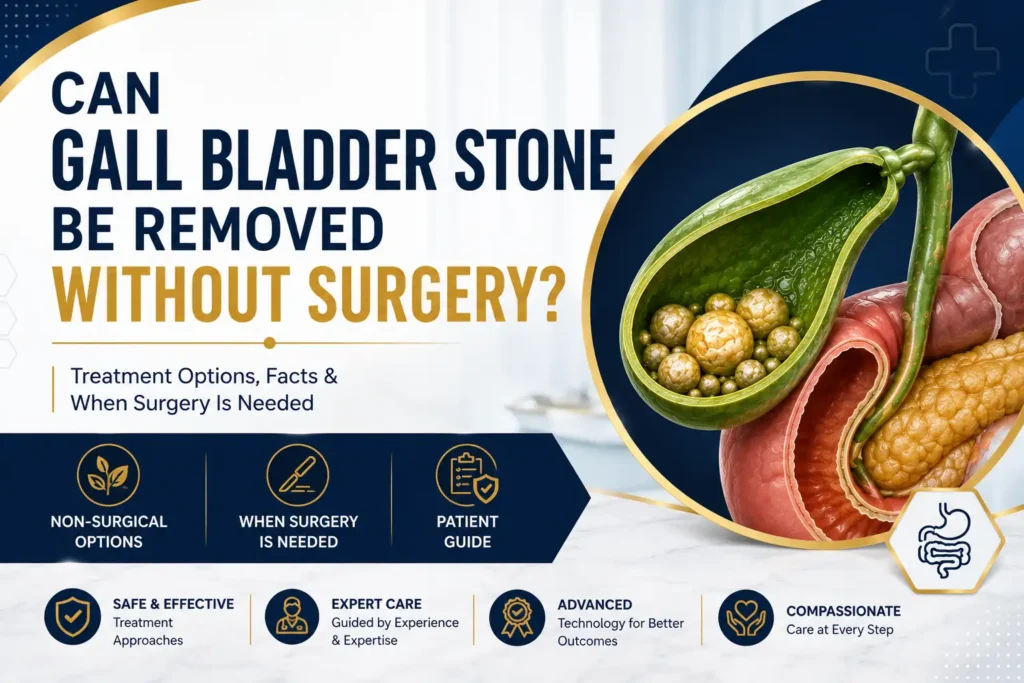
Can gall bladder stone be removed without surgery? This is one of the most common questions patients ask after an ultrasound confirms gallstones. The answer is yes, but only in certain situations. Small cholesterol-based gallstones that are not causing symptoms may sometimes be monitored or treated with medicines. However, non-surgical treatment is usually suitable only for selected patients and does not always provide a permanent solution. If gallstones cause repeated pain, infection, jaundice, pancreatitis, or bile duct blockage, surgery is often the safest and most effective treatment. The right approach depends on the stone type, symptoms, size, and overall health of the patient, which is why consultation with an experienced Gall Bladder Stone Surgeon is important before deciding on treatment. Medically Reviewed Information This article is intended for patient education and explains common gallbladder stones treatment options in simple language. The content has been medically reviewed by Dr. Lokesh Yadav, Surgical Gastroenterologist and GI Surgeon, who specializes in gastrointestinal, hepatobiliary, pancreatic, and laparoscopic surgery. What We Commonly See in Clinical Practice Many patients first try home remedies, dietary changes, or over-the-counter medications because they want to avoid surgery. While some patients with silent gallstones may not require immediate treatment, those experiencing repeated pain, fever, jaundice, vomiting, or bile duct blockage should not delay medical evaluation. According to the clinical experience of Dr. Lokesh Yadav, Surgical Gastroenterologist and GI Surgeon associated with CKS Hospitals, Jaipur, timely diagnosis and appropriate treatment can help prevent complications and improve long-term outcomes for patients with gallbladder stones. Who May Be Able to Avoid Gallbladder Surgery? Not every gall bladder stone needs immediate operation. Some patients may avoid or delay surgery if the stone is not causing symptoms and there are no signs of infection or blockage. Silent Stones Gallstones found accidentally on ultrasound may not need immediate treatment if there are no symptoms. Small Cholesterol Stones Some small cholesterol stones may respond to bile acid medicines, but treatment is slow. High-Risk Patients Non-surgical options may be considered when surgery is risky due to serious health conditions. Why Do Gall Bladder Stones Occur? Gallbladder stones form when bile becomes imbalanced. Bile is a digestive fluid that helps break down fats. When bile contains too much cholesterol, too much bilirubin or the gallbladder does not empty properly, crystals can form and slowly become stones. Common Gallbladder Stones Reason Symptoms of Gallbladder Stones Some gallbladder stones cause no symptoms. These are called silent stones. But when stones block bile flow or irritate the gallbladder, symptoms can appear suddenly, often after oily or heavy meals. If you are searching for gallbladder stones symptoms removal, remember that pain medicines may give temporary relief, but they do not remove the stone. Can Gall Bladder Stone Be Dissolved? Yes, some gallbladder stones can be dissolved, but this does not work for every patient. Medicines such as ursodiol or chenodiol may help dissolve small cholesterol stones. These medicines work slowly and may take several months or even years. They are generally ineffective for pigment stones, calcified stones, or larger stones. Can Gall Bladder Stone Be Removed by Medicine? In selected cases, medicine may help dissolve small cholesterol-based gallstones when the gallbladder is functioning normally. However, medicines do not work for all stone types and are usually not recommended for patients with repeated pain, infection, bile duct blockage, or other complications. Even when medicines are successful, gallstones may return after treatment is stopped. Non-Surgical Options for Gallbladder Stones Treatment In certain situations, gallbladder stones treatment without operation may be considered. The most appropriate option depends on the type of stone, symptoms, gallbladder function, and the patient’s overall health. While non-surgical methods may help selected patients, they are not suitable for everyone and may not provide a permanent solution. Option When It May Help Limitations Oral Dissolution Therapy Small cholesterol stones Slow, may take months or years; recurrence possible ESWL / Shock Wave Therapy Rare selected cases Not commonly used for gallbladder stones ERCP Stone stuck in common bile duct Does not remove stones inside gallbladder Diet & Lifestyle Symptom control and prevention support Cannot reliably dissolve existing stones It is important to understand that non-surgical treatment is generally reserved for selected patients. Medicines may help dissolve small cholesterol stones, while ERCP is mainly used when a stone blocks the bile duct. Dietary changes can help reduce symptoms and support gallbladder health, but they are not proven to remove existing stones. Patients with repeated pain, infection, jaundice, or complications often require a more definitive treatment approach. Treatment Comparison: Non-Surgical Treatment vs Surgery Many patients wonder whether gallbladder stones can be managed without surgery or if an operation is ultimately the better option. The answer depends on symptoms, stone type, complications, and overall health. The table below compares situations where observation or medical management may be considered versus cases where surgery is commonly recommended. Situation Non-Surgical Treatment Surgery Silent gallstones Often observation is possible Usually not required immediately Small cholesterol stones Medicine may be considered Depends on symptoms Repeated pain attacks Usually temporary relief only Often recommended Infection or inflammation Not sufficient alone Often needed Bile duct blockage ERCP may remove duct stone Gallbladder surgery may still be advised later Many patients wonder whether gallbladder stones can be managed without surgery or if an operation is ultimately the better option. The answer depends on symptoms, stone type, complications, and overall health. The table below compares situations where observation or medical management may be considered versus cases where surgery is commonly recommended. When Gallbladder Stones Need Urgent Medical Attention Do not ignore warning signs. If you are experiencing persistent abdominal pain, fever, jaundice, or other symptoms, it is important not to ignore them. Learn more about the warning signs of gallbladder stones that may require prompt medical attention. What to Eat in Gall Bladder Stone? A gall bladder stone patient diet should focus on low-fat, high-fiber and digestion-friendly foods. Diet can support symptoms, but it cannot remove stones already formed. What Not to Eat in Gall Bladder Stone? What
How to Choose the Best Gastrointestinal Surgeon in Jaipur
Looking for the best gastrointestinal surgeon in Jaipur but unsure how to make the right choice? Selecting a gastrointestinal surgeon is one of the most important healthcare decisions a patient can make, especially when dealing with conditions affecting the digestive system, liver, pancreas, gallbladder, or intestines. The right surgeon should have specialized training, extensive surgical experience, expertise in minimally invasive procedures, access to advanced hospital facilities, and a strong track record of patient care. This guide explains the key factors every patient should evaluate before choosing a gastrointestinal surgeon, helping you make an informed decision based on qualifications, experience, technology, and trust rather than marketing claims alone. Why Choosing the Right Gastrointestinal Surgeon Matters Gastrointestinal surgery involves the diagnosis and treatment of diseases affecting the digestive system, including the stomach, intestines, liver, pancreas, gallbladder, and bile ducts. Many of these conditions require highly specialized treatment and surgical precision. Choosing the right surgeon can directly impact: A skilled GI surgeon not only performs surgery but also helps patients understand their condition, evaluate treatment options, and prepare for recovery. This holistic approach often leads to better outcomes and greater confidence throughout the treatment journey. Impact on Treatment Outcomes Studies across surgical specialties consistently show that surgeons who regularly perform specific procedures often achieve better outcomes. Experience improves decision-making, technical skills, and the ability to manage complications when they arise. For patients, this means a higher likelihood of successful treatment and a smoother recovery process. Importance of Specialized Surgical Expertise Not all surgeons focus on gastrointestinal disorders. GI surgery requires advanced training and expertise in managing conditions affecting multiple organs within the digestive system. Patients with complex conditions involving the liver, pancreas, bile ducts, or intestines should consider whether the surgeon has specialized training and experience in treating similar cases. Qualifications to Look for in a Gastrointestinal Surgeon Qualifications provide insight into a surgeon’s training and expertise. While qualifications alone should not determine your choice, they serve as an important starting point. Medical Degrees and Surgical Training Patients should look for recognized qualifications such as: These credentials indicate formal training in gastrointestinal surgery and digestive system disorders. Continuous Learning and Professional Development Medicine continues to evolve with new technologies and treatment approaches. Surgeons who actively participate in conferences, workshops, academic activities, and professional organizations are often better positioned to provide modern, evidence-based care. Patients may also review publications, presentations, and professional memberships when evaluating a specialist. How Important Is Surgical Experience? While qualifications are important, experience often plays an equally significant role. A surgeon who frequently manages specific gastrointestinal conditions develops deeper expertise and greater confidence in handling both routine and complex cases. Experience With Similar Conditions Before making a decision, consider asking: These questions can help you understand the surgeon’s familiarity with your condition. Experience With Complex Procedures Certain conditions require advanced expertise, including: Patients facing complex diagnoses should ensure that the surgeon has substantial experience in the relevant area. Why Laparoscopic Expertise Matters Laparoscopic surgery has transformed gastrointestinal care by allowing many procedures to be performed through small incisions using specialized instruments and cameras. Today, minimally invasive surgery is often preferred when clinically appropriate. Benefits of Minimally Invasive Surgery Potential benefits may include: These advantages can improve the overall patient experience and allow individuals to return to normal activities more quickly. Is Laparoscopic Surgery Right for Every Patient? Not necessarily. The suitability of laparoscopic surgery depends on factors such as: A qualified GI surgeon should explain whether minimally invasive techniques are appropriate for your situation. How to Verify a Surgeon’s Credentials Patients should never hesitate to verify a surgeon’s professional credentials before undergoing treatment. Check Medical Registration One of the simplest ways to verify a surgeon’s credentials is through official medical councils and regulatory bodies. Verification can help confirm: This additional step can provide peace of mind and improve trust. Evaluate Hospital Affiliations The hospitals where a surgeon practices can also provide useful insight. Consider factors such as: A strong healthcare environment often contributes to safer surgical care and better outcomes. Why Hospital Infrastructure Matters Even highly skilled surgeons rely on quality hospital infrastructure to deliver effective treatment. Patients should evaluate whether the hospital offers: For complex gastrointestinal procedures, access to advanced facilities can make a significant difference in patient safety and recovery. Questions to Ask Before Choosing a Gastrointestinal Surgeon Asking the right questions during a consultation can help patients make informed decisions. Question Why It Matters What is your experience with my condition? Assesses expertise Are minimally invasive options available? Explores treatment choices What are the risks and benefits? Supports informed decisions What is the expected recovery time? Sets realistic expectations What complications should I know about? Improves understanding When can I return to normal activities? Helps recovery planning A good surgeon should be willing to answer these questions clearly and honestly. Red Flags Patients Should Not Ignore While many surgeons provide excellent care, patients should remain alert to potential warning signs. Lack of Transparency Be cautious if information regarding qualifications, risks, costs, or treatment plans is unclear or difficult to obtain. Poor Communication Effective communication is essential. Patients should feel comfortable asking questions and discussing concerns throughout the treatment process. Unrealistic Promises No ethical surgeon can guarantee perfect results. Be wary of exaggerated claims or promises that seem unrealistic. Quick Checklist for Choosing a Gastrointestinal Surgeon Before making your final decision, ask yourself: This simple checklist can help patients compare specialists more effectively. Final Thoughts Choosing a gastrointestinal surgeon is an important healthcare decision that should be based on expertise, experience, communication, trust, and access to quality medical facilities. Taking the time to research options, verify credentials, and ask informed questions can help patients feel more confident about their treatment journey. If you are evaluating specialists and comparing treatment options, understanding these factors can help you identify the Best GI Surgeon in Jaipur and choose a surgeon who aligns with your medical needs and long-term health goals. Patients seeking expert gastrointestinal and laparoscopic surgical care can learn more about Dr.
Gall Bladder Stone: 7 Warning Signs You Should Never Ignore
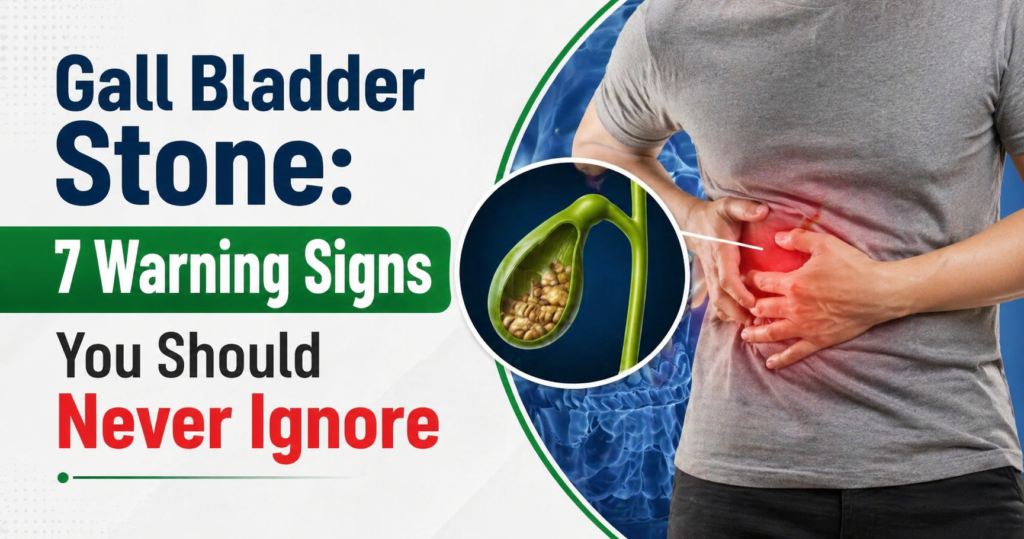
The human body is a complex mechanism and a machine just as any machine, it also has its means of telling you that there is something wrong. Gallstones are one of the most widespread, but frequently neglected problems. Whereas there are individuals who live with them for years without any single symptom, in some cases, they may cause life threatening complications and excruciating pain. It is crucial to know the early signs to seek early treatment with a top gall bladder stone surgeon. What is a Gall Bladder Stone? A small pear-shaped organ which is just below the liver is called the gallbladder. Its main task is to hold bile, which is a fluid produced by the liver, which assists in the digestion of fats. Cholelithiasis (gallbladder stones) are concretions of digestive fluid which may develop in this organ. These stones may be as small as a grain of sand or as big as a golf ball. There are two types of them: 7 Warning Signs of Gall Bladder Stone Neglecting the symptoms of gallstones may result in inflammation (cholecystitis), jaundice or even pancreatitis. The seven symptoms mentioned above are reasons why you need to seek the help of a specialist in the field of surgery of gall bladder stones. 1. Sudden Pain in the Upper Right Abdomen A gallbladder attack is characterized by biliary colic. It is an acute, rapidly growing pain in the upper right of your abdomen. This pain is deep and constant as opposed to a normal stomachache. It usually happens when a stone obstructs the cystic duct making the gallbladder contract violently against the blockage. 2. Pain After Eating Fatty Foods The gallbladder is meant to empty the bile and dissolve fats therefore when one eats a heavy, greasy, or fried meal, the organ overworks. This contraction could cause a lot of pain or sharp pains in the event that there is a stone and this happens soon after you have attended to your meal. 3. Back or Shoulder Pain Surprisingly, the pain in the gallbladder does not necessarily remain in the stomach. Referred pain is reported by many patients. You may have a sharp pain between your shoulder blades or a sharp pain in your right shoulder. This is due to the fact that the nerves to the gallbladder are the same nerves that serve the spinal cord and that of the back and shoulder. 4. Excessive Vomiting and Nausea Although many digestive problems result in nausea, chronic vomiting with abdominal pain is a significant warning of gallstones. This usually happens to the body in response to the inflammation or obstruction of the biliary system. 5. Bloating and Gas Chronic indigestion, burping, and a feeling of fullness (bloating) are common “silent” signs. Although they are usually disregarded as mere acid reflux or gas, they may be a sign of the gallbladder not performing effectively because of the occurrence of the stones. 6. Fever with Chills When you get a fever and abdominal pain, it most likely means that you have an infection (acute cholecystitis) or that the common bile duct is blocked up. This is a medical emergency. A fever is an indication that the bacteria are multiplying in the trapped bile and it has to be taken care of by a surgeon. 7. Yellowing of Skin or Eyes (Jaundice) When a gallstone is not removed out of the gallbladder and lodges in the common bile duct, it hinders the movement of bile into the bowels, thus resulting in jaundice. This leads to a build-up of bilirubin in the blood stream and the skin and whites of the eyes turn yellow. What Causes Gall Bladder Stones? Doctors think that gallstones can occur when: Who is at Risk? There are factors that predispose to the development of the gallstones, commonly known as the Four Fs: Female, Forty, Fat and Fertile. How is It Diagnosed? A doctor will normally employ the following in case he or she suspects that you have gallstones: Treatment Options 1. Medication There are rare instances when drugs such as ursodeoxycholic acid are able to dissolve small cholesterol stones. Nevertheless, it may require months or years, and the stones tend to be recurring after the discontinuation of the medication. 2. Surgery The gold standard of symptomatic stones is surgery of the gall bladder stone (cholecystectomy). 3. Lifestyle Changes In the case of the silent stones (no symptoms), doctors might advise a diet of low fat, gradual weight loss, and higher intake of fiber so that the stones do not grow out or create a blockage. Tips to Prevent Gall Bladder Stones When Should You See a Doctor? You must see a doctor immediately in case you have: FAQs 1. What are the first signs of gall bladder stone? The first one is the so-called biliary colic, which is a sharp pain that is located in the upper right abdomen and can last between 30 and several hours. 2. Can gall bladder stones go away without surgery? Generally, no. Although there are also silent stones that do not present any problems, when they begin to cause pain, they normally demand surgical removal of the gallbladder. 3. Is gall bladder stone dangerous? Yes, when they are not treated, they may lead to the rupture of the gallbladder, acute infection, or pancreatitis, which can be life-threatening. 4. What foods should be avoided in gall bladder stone? Foods that cause contractions in the gallbladder include high fat, fried food, rich creams, fat meat, and high-processed snacks. 5. How long does gall bladder surgery take? A standard laparoscopic cholecystectomy lasts between 45-90 minutes. The majority of patients are discharged on the same day or the next morning.
Say Goodbye to Digestive Problems with Gastrointestinal Surgery in Jaipur
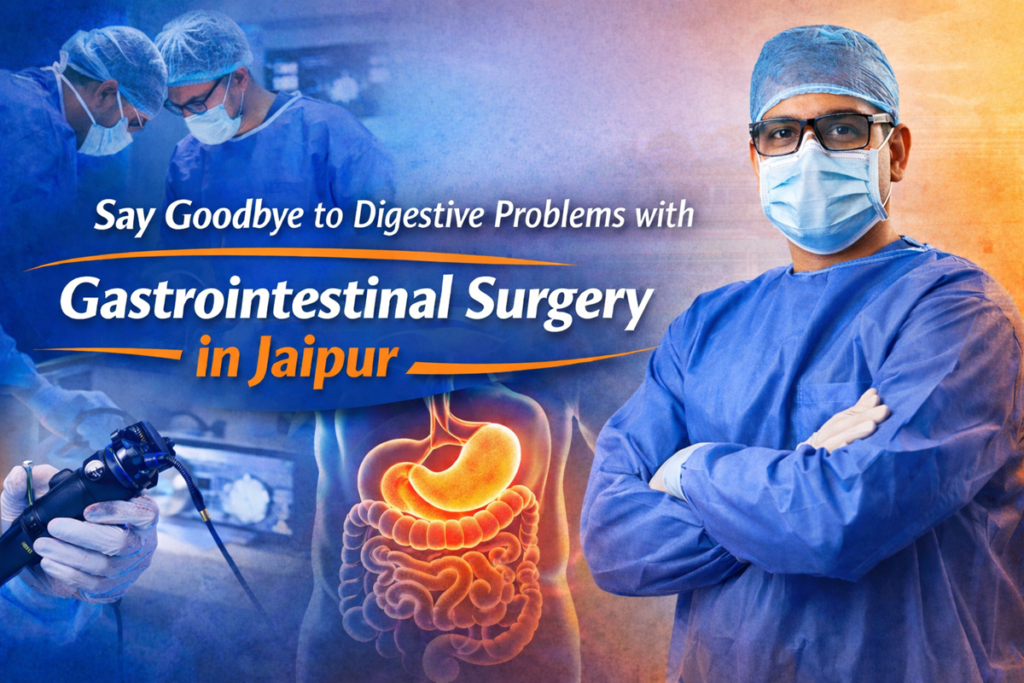
Digestive issues can significantly impact your daily life. Ranging from persistent abdominal pain to post-meal discomfort, these problems can make even routine daily activities challenging. Many people initially overlook these symptoms, assuming they will resolve on their own. This is a major mistake, as the underlying issues often persist; therefore, taking the appropriate steps to obtain a proper diagnosis and treatment becomes essential. The good news is that advancements in modern medicine have made it easier to treat complex digestive disorders safely and effectively. By seeking the advice of the right specialists and adopting their recommended strategies, you can quickly restore your health and lead a comfortable life. Easy Guide to Gastrointestinal (GI) Surgery The primary objective of Gastrointestinal (GI) surgery is to treat problems associated with the digestive system. This involves organs such as the stomach, intestines, liver, pancreas, and gallbladder. A skilled specialist identifies these issues and employs advanced techniques to treat conditions that cannot be cured solely through medication. Common Conditions Treated Some common digestive problems that may require surgery include: Early treatment can prevent complications and improve recovery. When Do You Need GI Surgery? Not every digestive issue needs surgery. However, you may need to consult a GI Surgeon if you experience: Ignoring these symptoms can make the condition worse over time. A proper evaluation helps decide whether surgery is necessary. Types of Gastrointestinal Surgeries A qualified Gastro Surgeon in Jaipur may recommend different types of procedures depending on your condition. 1. Laparoscopic (Minimally Invasive) Surgery This is one of the most advanced methods used today. Benefits: 2. Open Surgery Used for more complex cases where a larger incision is required. 3. Emergency Surgery Needed in urgent situations like appendicitis or intestinal blockage. Why Choose an Expert GI Surgeon? Choosing the right doctor makes a huge difference in your treatment and recovery. An experienced GI Surgeon in Jaipur like Dr. Lokesh Yadav offers: With expert care, patients feel more confident and comfortable throughout the process. Benefits of Gastrointestinal Surgery Many people feel nervous when they hear the word “surgery.” But in reality, it can greatly improve your quality of life. Key Benefits: Modern techniques ensure that surgeries are safer and recovery is quicker than ever before. What to Expect Before Surgery Before the procedure, your doctor will guide you through: This preparation helps ensure a smooth and successful surgery. Recovery After GI Surgery Recovery depends on the type of surgery performed. However, most patients can return to normal activities within a few weeks. Tips for Faster Recovery: A good recovery plan is just as important as the surgery itself. Lifestyle Tips for Better Digestive Health Even after successful treatment, maintaining a healthy lifestyle is important. Simple Tips: These habits can prevent future digestive problems and keep your system healthy. Why Jaipur is a Good Choice for GI Treatment Jaipur has become a trusted destination for advanced medical care. Patients benefit from: Consulting a trusted Gastro Surgeon in Jaipur ensures you receive quality care close to home. Take the First Step Toward Better Digestive Health Digestive problems should never be ignored. With proper treatment and expert guidance, these issues can be resolved, allowing you to lead a healthy life. Gastrointestinal surgery offers a safe and effective solution for many conditions that cannot be treated solely through medication. If you are experiencing persistent digestive problems, consulting an experienced specialist like Dr. Lokesh Yadav can steer your life in a better direction. FAQs 1. Who are the Best GI surgeons in Jaipur? Many people in Jaipur consider Dr. Lokesh Yadav to be an excellent GI surgeon, known for providing modern and patient-friendly treatment. 2. What Conditions do Gastro Surgeons Treat? Gastro surgeons treat problems related to the digestive system, including gallstones, hernias, appendicitis, and intestinal disorders. 3. Is It Safe to Undergo Gastrointestinal Surgery? Yes, with the help of modern techniques and experienced surgeons, GI surgeries are generally safe and have a very high success rate. 4. How Long Does It Take to Recover From Gi Surgery? Recovery time depends on the type of surgery, but most patients recover within a few weeks, especially following minimally invasive procedures. 5. What is the Cost of Gastrointestinal Surgery? The cost of gastrointestinal surgery varies depending on the patient’s condition, the hospital, and the type of surgery. However, affordable treatment is available in Jaipur compared to many other cities.